delonghi pac c120e manual

DeLonghi PAC C120E Manual: A Comprehensive Guide

This guide provides detailed instructions for the DeLonghi PAC C120E portable air conditioner‚ offering free downloads from sources like the Internet Archive and ManualsLib.

Explore user manuals‚ technical specifications‚ troubleshooting‚ and community support for optimal performance of your DeLonghi Pinguino PAC C120E unit.

The DeLonghi PAC C120E is a popular portable air conditioning unit designed to provide efficient and convenient cooling for smaller spaces. This comprehensive manual aims to equip users with all the necessary information to effectively operate and maintain their appliance. Available for free download from platforms like the Internet Archive‚ the manual offers detailed guidance‚ ensuring optimal performance and longevity of the unit.

Understanding the PAC C120E’s features and functionalities is crucial for maximizing its benefits. Resources like ManualsLib provide access to the official instructions for use‚ covering everything from initial setup to troubleshooting common issues. Whether you’re a first-time user or seeking to resolve a specific problem‚ this manual serves as an invaluable resource. It also covers models like PAC C100 and PACN76‚ offering broad compatibility.

This guide will walk you through each step‚ ensuring a seamless experience with your DeLonghi Pinguino PAC C120E.

Key Features and Specifications

The DeLonghi PAC C120E boasts several key features designed for user convenience and efficient cooling. As detailed in available user manuals from sources like the Internet Archive and ManualsLib‚ this portable air conditioner offers multiple operation modes – cooling‚ fan‚ and dehumidifying – providing versatile climate control options.

Specific specifications‚ outlined in the downloadable PDF manual‚ include its cooling capacity‚ suitable room size‚ and power consumption. The unit’s portability is a significant advantage‚ allowing for easy movement between rooms. Furthermore‚ the manual details features like the adjustable thermostat‚ fan speed settings‚ and timer function‚ enhancing user control.

The PAC C120E also incorporates a water tank for dehumidifying mode‚ with the manual providing instructions for emptying it. Understanding these specifications‚ readily available in the user guide‚ is essential for optimal operation and maintenance.

Setting Up Your DeLonghi PAC C120E

Proper setup‚ guided by the user manual‚ involves unboxing‚ exhaust hose installation‚ and initial power-on procedures for optimal performance and cooling efficiency.

Unboxing and Component Checklist

Carefully unpack your DeLonghi PAC C120E‚ referencing the user manual for a complete component checklist. Ensure all listed parts are present before proceeding. Essential components typically include the air conditioner unit itself‚ the exhaust hose‚ a window kit for venting hot air‚ the power cord‚ and potentially a remote control.

Inspect each item for any shipping damage. The window kit usually consists of adjustable panels to fit various window sizes. Verify the presence of all screws‚ seals‚ and connectors necessary for secure installation. Retain the original packaging for potential future transport or warranty claims. The manual provides diagrams illustrating each component‚ aiding in identification. Confirming all parts are accounted for now prevents issues during setup and operation‚ guaranteeing a smooth user experience with your new portable air conditioner.

Installing the Exhaust Hose

Proper exhaust hose installation is crucial for the DeLonghi PAC C120E’s efficiency. Connect the exhaust hose to the rear of the unit‚ ensuring a secure‚ clockwise twist-lock connection. Next‚ attach the window kit to your window‚ adjusting the panels to create a tight seal‚ preventing hot air from re-entering the room.

The hose then connects to the window kit adapter. Ensure all connections are firm to avoid air leakage‚ which diminishes cooling performance. Refer to the manual’s diagrams for correct window kit assembly and hose routing. Proper venting is essential; never operate the unit without the exhaust hose correctly installed. A poorly fitted hose significantly reduces cooling capacity and can strain the compressor. Double-check all seals for airtightness before powering on the DeLonghi PAC C120E.

Initial Setup and Powering On

After installing the exhaust hose‚ position the DeLonghi PAC C120E on a level surface‚ ensuring adequate space around the unit for proper airflow. Before plugging in‚ verify the voltage on the unit matches your household supply. Connect the power cord to a grounded outlet.

Upon powering on‚ the control panel will illuminate. Allow the unit to run for a short period to circulate refrigerant. Initial operation may involve setting the desired temperature and fan speed using the control panel buttons. Familiarize yourself with the indicator lights‚ which display the unit’s operational status. Refer to the manual for detailed explanations of each function. Ensure the water tank is correctly positioned for dehumidifying mode.

Operating the DeLonghi PAC C120E

Utilize the control panel to select cooling‚ fan‚ or dehumidifying modes‚ adjusting temperature and fan speed for personalized comfort‚ as detailed in the manual.

Control Panel Overview

The DeLonghi PAC C120E’s control panel is intuitively designed for ease of use‚ featuring clearly labeled buttons for various functions. Powering on the unit initiates operation‚ while the ‘Mode’ button cycles through cooling‚ fan‚ and dehumidifying settings. Temperature adjustment is achieved via dedicated up and down arrows‚ allowing precise climate control.

Fan speed control offers multiple levels – low‚ medium‚ and high – to customize airflow. The timer function‚ accessible through a dedicated button‚ enables automated operation for convenience. An indicator light displays the selected mode and operational status. The reset button is crucial for troubleshooting and restoring default settings. Refer to the user manual for detailed explanations of each button’s functionality and indicator meanings‚ ensuring optimal performance and understanding of your DeLonghi PAC C120E.

Cooling Mode Operation

To activate cooling mode on your DeLonghi PAC C120E‚ press the ‘Mode’ button until the snowflake icon illuminates on the control panel. Set your desired temperature using the up and down arrow buttons; the unit will automatically adjust to maintain that level. Fan speed can be adjusted independently for optimal comfort – higher speeds provide quicker cooling‚ while lower speeds are quieter.

Ensure the exhaust hose is correctly installed to vent hot air outside. Monitor the water tank‚ as cooling generates condensation. The unit will pause operation when the tank is full‚ requiring emptying. For efficient cooling‚ close windows and doors. Refer to the manual for specific temperature ranges and troubleshooting tips related to cooling performance.

Fan Mode Operation

Engage fan mode on the DeLonghi PAC C120E by repeatedly pressing the ‘Mode’ button until the fan icon is lit. In this mode‚ the unit functions solely as a fan‚ circulating air without actively cooling it. Adjust fan speed using the designated buttons on the control panel – choose from low‚ medium‚ or high settings to suit your preference.

Fan mode is ideal for air circulation and ventilation‚ especially when cooling isn’t required. Unlike cooling mode‚ the compressor remains off‚ saving energy. The exhaust hose doesn’t necessarily need to be connected for basic fan operation‚ though it can be used to exhaust air. Refer to the user manual for detailed instructions and troubleshooting if the fan isn’t functioning correctly.

Dehumidifying Mode Operation

Activate dehumidifying mode on your DeLonghi PAC C120E by pressing the ‘Mode’ button until the dehumidifier icon illuminates. This mode extracts moisture from the air‚ reducing humidity levels without significantly lowering the room temperature. The collected water accumulates in the internal tank‚ requiring periodic emptying.

Monitor the water tank level indicator and empty it when full to prevent automatic shutdown. Continuous drainage is also possible using a drain hose connected to a suitable outlet. Dehumidifying mode is beneficial in damp environments or during humid weather. Consult the user manual for specific instructions on connecting the drain hose and troubleshooting any issues with water collection or drainage. Optimal performance depends on room size and humidity levels;

Maintenance and Troubleshooting

Regular maintenance‚ including air filter cleaning and water tank emptying‚ ensures optimal performance. Troubleshooting guides address common issues‚ aiding in quick resolutions for your DeLonghi PAC C120E.

Cleaning the Air Filters

Maintaining clean air filters is crucial for the efficient operation and longevity of your DeLonghi PAC C120E. Dirty filters restrict airflow‚ reducing cooling performance and potentially causing the unit to overheat. Regular cleaning‚ ideally every two weeks during heavy use‚ is recommended.

To access the filters‚ first‚ ensure the unit is powered off and unplugged. Locate the filter access panel‚ typically on the rear of the appliance. Remove the filters carefully‚ noting their orientation for correct reinstallation. Vacuum the filters to remove loose dust and debris. For a more thorough cleaning‚ wash the filters with mild soap and lukewarm water‚ ensuring they are completely dry before replacing them.

Inspect the filters for any damage; replace them if torn or significantly deteriorated. Reinstall the filters in their original positions‚ ensuring a secure fit. A clean filter contributes to better air quality and optimal cooling performance from your DeLonghi PAC C120E.

Emptying the Water Tank

The DeLonghi PAC C120E collects condensation during dehumidifying mode‚ storing it in an internal water tank. Regularly emptying this tank prevents overflow and ensures continued operation. The unit will typically display a warning indicator when the tank is full‚ and operation will cease to avoid spillage.

To empty the tank‚ power off and unplug the air conditioner. Locate the water tank drain plug or removal access‚ usually at the rear or base of the unit. Carefully remove the tank‚ being mindful of any remaining water. Empty the water into a suitable drain‚ avoiding splashing.

Inspect the tank for any buildup or residue and clean if necessary. Ensure the tank is securely replaced before resuming operation. Continuous drainage via a hose connection is also possible‚ eliminating the need for manual emptying – consult the full manual for details.

Troubleshooting Common Issues

If your DeLonghi PAC C120E isn’t cooling effectively‚ first check the air filter for blockage and clean or replace it. Ensure the exhaust hose is correctly installed and free from kinks or obstructions‚ as this restricts airflow. Verify the water tank isn’t full‚ as this can trigger a safety shutdown.

For error codes displayed on the control panel‚ consult the comprehensive user manual for specific explanations and recommended actions. If the unit is noisy‚ ensure it’s on a level surface and that nothing is vibrating against it. If it won’t power on‚ check the power cord and outlet.

Remember to reset the unit if issues persist‚ and if problems continue‚ refer to DeLonghi’s support resources for further assistance. Online forums and the Internet Archive may also offer solutions from other users.

Resetting the Unit

To reset your DeLonghi PAC C120E‚ begin by completely powering off the unit and disconnecting it from the electrical outlet. Allow the unit to remain unplugged for approximately five to ten minutes. This allows any residual electrical charge to dissipate‚ effectively clearing the system’s memory.

After the waiting period‚ reconnect the power cord securely to a functioning outlet. Power on the unit and observe if the previous error or malfunction has been resolved. A reset can often address minor software glitches or temporary operational issues.

If the problem persists after resetting‚ consult the user manual for more advanced troubleshooting steps or contact DeLonghi support. Remember to check online resources like the Internet Archive for additional guidance from other users.

Advanced Features and Settings

Unlock the full potential of your DeLonghi PAC C120E with features like the timer function‚ customizable temperature settings‚ and adjustable fan speed control.

Timer Function

The DeLonghi PAC C120E incorporates a convenient timer function‚ allowing for automated operation and enhanced energy efficiency. This feature enables users to pre-set the unit to turn on or off at specific times‚ optimizing comfort and reducing electricity consumption. Setting the timer involves navigating the control panel and utilizing the designated timer buttons.

Users can program the unit to start cooling before their arrival home or automatically switch off during the night‚ ensuring a comfortable sleep without unnecessary operation. The timer settings are typically displayed on the unit’s control panel‚ providing clear confirmation of the programmed schedule. Refer to the user manual for detailed step-by-step instructions on programming and utilizing the timer function effectively.

Proper timer usage contributes to a more convenient and cost-effective cooling experience‚ maximizing the benefits of your DeLonghi PAC C120E portable air conditioner.

Temperature Settings

The DeLonghi PAC C120E allows precise temperature control‚ enabling users to customize their cooling experience. The unit’s control panel features buttons to adjust the desired temperature‚ typically displayed in Celsius or Fahrenheit. Users can select a target temperature within a specified range‚ optimizing comfort levels according to personal preference.

Adjusting the temperature influences the compressor’s operation‚ impacting cooling output and energy consumption. Lowering the temperature increases cooling intensity‚ while raising it reduces energy usage. The PAC C120E often includes a digital display showing the current room temperature and the set temperature‚ providing real-time feedback.

Experimenting with different temperature settings allows users to find the optimal balance between comfort and energy efficiency. Consult the user manual for detailed guidance on utilizing the temperature control features effectively.

Fan Speed Control

The DeLonghi PAC C120E offers multiple fan speed settings‚ providing flexibility in airflow and noise levels. Typically‚ the control panel includes buttons to cycle through low‚ medium‚ and high fan speeds‚ allowing users to tailor the ventilation to their needs. Lower fan speeds minimize noise and energy consumption‚ ideal for quiet environments or gentle cooling.

Higher fan speeds maximize airflow‚ delivering rapid cooling and improved air circulation. The ‘Auto’ fan speed setting adjusts the fan based on the set temperature and room conditions‚ optimizing both comfort and efficiency. Users can select the most appropriate fan speed based on room size‚ occupancy‚ and desired cooling intensity.

Experimenting with different fan speeds helps users find the optimal balance between cooling performance and noise levels. Refer to the user manual for specific details on utilizing the fan speed control features effectively.

Safety Information and Precautions

Always prioritize safety when using the DeLonghi PAC C120E; follow electrical guidelines and ensure proper ventilation as detailed in the user manual.

Important Safety Instructions

Before operating your DeLonghi PAC C120E‚ carefully read all provided safety instructions to prevent potential hazards. Ensure the unit is properly grounded to avoid electrical shock‚ and never operate it with a damaged cord or plug. Do not use extension cords‚ as they can overheat and pose a fire risk.

Keep the air conditioner away from flammable materials and sources of heat. Avoid inserting objects into the unit‚ and never operate it with the air filters removed. Disconnect the power supply before cleaning or performing any maintenance. This appliance is not intended for use by persons (including children) with reduced physical‚ sensory‚ or mental capabilities‚ or lack of experience and knowledge‚ unless supervised.

Always supervise children to ensure they do not play with the appliance. Follow all ventilation requirements to prevent carbon monoxide buildup. Refer to the full user manual for a comprehensive list of safety precautions.

Electrical Safety Guidelines

To ensure safe operation of your DeLonghi PAC C120E‚ adhere to these electrical safety guidelines. Always connect the unit to a properly grounded electrical outlet with the correct voltage – verify compatibility before use. Never operate the air conditioner with a damaged power cord or plug; replace immediately. Avoid using extension cords or multi-plug adapters‚ as they can overload the circuit.

Do not expose the electrical components to water or moisture. If the power cord is damaged‚ it must be replaced by the manufacturer‚ its service agent‚ or similarly qualified persons. Disconnect the unit from the power supply before cleaning or performing any maintenance. Regularly inspect the power cord for signs of damage.

Ensure the electrical outlet is easily accessible for quick disconnection in case of emergency. Follow all local electrical codes and regulations. Refer to the complete user manual for detailed electrical specifications and safety instructions.

Proper Ventilation Requirements

Optimal performance of your DeLonghi PAC C120E relies on proper ventilation. The exhaust hose must be vented to the outside‚ directing hot air away from the room. Ensure the exhaust hose isn’t kinked‚ bent sharply‚ or excessively long‚ as this restricts airflow and reduces cooling efficiency. Avoid placing the unit near curtains or other obstructions that could block the exhaust.

Ideally‚ vent the hot air through a window using the provided window kit. Seal any gaps around the window kit to prevent hot air from re-entering the room. Consider the location of the exhaust hose to avoid directing hot air onto neighboring properties. Regularly check the exhaust hose for damage or blockages.

Adequate ventilation is crucial for efficient operation and prevents overheating. Refer to the user manual for specific ventilation recommendations and diagrams.

Resources and Support

Access downloadable user manuals from the Internet Archive and explore DeLonghi’s official support channels for FAQs‚ contact information‚ and troubleshooting assistance.

Downloading the User Manual

Obtaining the DeLonghi PAC C120E user manual is readily achievable through several online resources. The Internet Archive offers a free download in PDF format‚ alongside options for single-page processed JP2 ZIP and TORRENT downloads‚ providing versatile access methods.

Alternatively‚ ManualsLib hosts the Pinguino C120 instructions for use manual‚ compatible with models like PAC C100 and PAC C120E. These platforms provide comprehensive documentation covering operation‚ maintenance‚ and troubleshooting.

Furthermore‚ Manualszz and other manual repositories catalog DeLonghi air conditioner manuals‚ including those for the Pinguino PACN76 and PAC C120E‚ offering a broad selection of resources to assist users. These digital copies ensure convenient access to vital information‚ enabling optimal use and care of your DeLonghi appliance.

DeLonghi Support Contact Information

While specific direct contact details weren’t explicitly provided in the sourced information‚ DeLonghi generally offers comprehensive customer support through its official website. Users experiencing issues with their PAC C120E can typically find assistance via online chat‚ email submission forms‚ and a detailed FAQ section addressing common queries.

The DeLonghi website also provides access to downloadable manuals‚ troubleshooting guides‚ and parts diagrams‚ empowering users to resolve minor issues independently. For more complex problems or warranty claims‚ contacting DeLonghi’s customer service department directly is recommended.

Exploring online forums and communities dedicated to DeLonghi appliances can also yield valuable insights and peer-to-peer support. These platforms often feature discussions and solutions shared by fellow PAC C120E owners‚ offering an additional avenue for assistance;

Frequently Asked Questions (FAQ)

Q: Where can I download the DeLonghi PAC C120E manual? A: The Internet Archive offers free downloads in PDF‚ JP2 ZIP‚ and TORRENT formats. ManualsLib also provides access to the instructions for use manual online.

Q: What models does the Pinguino C120 manual cover? A: The manual often supports multiple models‚ including Pac c100 and Pac c120e‚ offering broad compatibility for DeLonghi portable air conditioners.

Q: Is the manual available for older DeLonghi units? A: Yes‚ resources like ManualsLib and the Internet Archive archive older manuals‚ potentially assisting users with legacy DeLonghi appliances.

Q: What information is included in the manual? A: Expect details on setup‚ operation‚ maintenance‚ troubleshooting‚ and safety precautions specific to the PAC C120E model.


love sequence by daphne leigh pdf

“Love Sequence”, by Daphne Leigh, explores themes of affection and loss, captivating readers with its emotional depth.
Finding a PDF version allows convenient access to this compelling narrative, alongside eBook and print options.

Overview of the Novel

“Love Sequence” by Daphne Leigh is a poignant exploration of romantic entanglements, navigating the complexities of love, heartbreak, and ultimately, the potential for redemption. The narrative delves into the intricate emotional landscape of its protagonists, offering a compelling study of human connection. Readers are drawn into a world where passion and vulnerability intertwine, creating a deeply affecting reading experience.

Accessibility is key, and many seek a PDF version for convenient reading. While digital formats offer portability, the novel’s emotional resonance remains consistent across mediums, including traditional print editions and eBooks. The story’s enduring appeal lies in its relatable themes and Leigh’s evocative prose, making it a cherished title for romance enthusiasts.

Author Daphne Leigh: A Brief Biography

Details surrounding author Daphne Leigh remain somewhat elusive, adding an air of mystery to her literary works. While comprehensive biographical information is scarce, her novels, including “Love Sequence,” demonstrate a keen understanding of human relationships and emotional nuance. Leigh’s writing style is characterized by its sensitivity and evocative descriptions, captivating readers with its immersive quality.

The enduring popularity of titles like “Love Sequence” has fueled interest in her background, though concrete details are limited. Accessing a PDF version of her work allows readers to focus on the artistry of her storytelling, appreciating the emotional depth and compelling narratives she crafted, regardless of biographical specifics.

Plot Summary and Key Themes

“Love Sequence” delves into complex relationships, exploring love, loss, and ultimately, redemption. A PDF copy unlocks the story’s intricate plot and resonant themes for readers.

Detailed Synopsis of “Love Sequence”

“Love Sequence” unfolds a poignant tale centered around evolving affections and confronting past heartbreaks. The narrative follows protagonists navigating intricate emotional landscapes, grappling with societal expectations and personal desires. Obtaining a PDF version grants immediate access to the story’s unfolding drama, revealing a connection built on shared vulnerabilities and unexpected turns.

The plot thickens as external forces and internal conflicts threaten the burgeoning romance, testing the couple’s commitment. Readers witness their journey of self-discovery, resilience, and the pursuit of genuine connection. The PDF allows for focused study of Leigh’s narrative structure and character development, enhancing the reading experience.

Central Themes: Love, Loss, and Redemption

“Love Sequence” deeply explores the multifaceted nature of love – its joys, vulnerabilities, and transformative power. The novel confronts the inevitability of loss, examining its lasting impact on the human spirit. A readily available PDF version facilitates a closer examination of how Leigh portrays these universal experiences.

Redemption emerges as a central thread, showcasing characters striving for healing and second chances. Through trials and tribulations, they seek solace and rebuild their lives. Accessing the story via PDF allows readers to dissect the symbolic representations of these themes, enriching their understanding of the narrative’s core message.

Character Analysis: Main Protagonists

Daphne Leigh crafts compelling protagonists in “Love Sequence”, each grappling with internal conflicts and external pressures. Their journeys of self-discovery and emotional growth form the heart of the narrative. A convenient PDF download enables detailed character study, allowing readers to trace their development throughout the story.

The protagonists’ flaws and vulnerabilities make them relatable, while their resilience inspires hope. Examining their interactions and motivations – easily done with a PDF copy – reveals the complexities of human relationships. Leigh’s skillful characterization elevates the novel beyond a simple love story, offering profound insights into the human condition.

Exploring the Romance in “Love Sequence”

“Love Sequence” delivers a captivating romance, exploring deep connections and emotional vulnerability. Accessing a PDF version enhances immersion into this beautifully written love story.

The Development of the Romantic Relationship

The romantic connection in “Love Sequence” unfolds with nuanced emotional depth, moving beyond initial attraction to a profound understanding between the protagonists. This progression isn’t immediate; it’s built through shared vulnerabilities and overcoming personal obstacles. Readers witness a gradual unveiling of each character’s inner world, fostering empathy and investment in their journey.

Accessing the novel via a PDF download allows for focused study of these delicate interactions. The narrative skillfully portrays the evolution of trust and affection, highlighting the importance of communication and acceptance. It’s a relationship defined not by grand gestures, but by quiet moments of connection and unwavering support, making it a truly resonant portrayal of love.

Obstacles and Conflicts Faced by the Couple

The path to love in “Love Sequence” isn’t without significant hurdles. Internal struggles, stemming from past traumas and insecurities, create emotional distance between the protagonists. External pressures, potentially societal expectations or conflicting life goals, further complicate their connection. These conflicts aren’t presented as dramatic confrontations, but rather as subtle tensions that test the strength of their bond.

A PDF version of the novel allows for close examination of these nuanced challenges. Daphne Leigh masterfully portrays how the couple navigates these difficulties, emphasizing the importance of compromise and unwavering commitment. The obstacles ultimately serve to deepen their understanding of one another, forging a more resilient and authentic relationship.

The Significance of the “Sequence” in Their Love Story

The “Sequence” within “Love Sequence” isn’t merely a plot device; it’s a metaphor for the unfolding of their relationship, a series of interconnected moments shaping their destiny. Each event, seemingly small, builds upon the last, creating a pattern of attraction, vulnerability, and eventual commitment. This deliberate structure mirrors the organic, often unpredictable, nature of falling in love.

Accessing a PDF copy allows readers to trace this “Sequence” with greater precision, noticing subtle foreshadowing and thematic echoes. Daphne Leigh utilizes this narrative technique to emphasize that love isn’t a singular event, but a carefully constructed progression of shared experiences and emotional growth.

Critical Reception and Reader Response

“Love Sequence” garnered positive reviews, praised for its emotional resonance. A readily available PDF version broadened readership, sparking online discussions and fostering a dedicated fanbase.

Reviews and Analysis from Literary Critics

“Love Sequence” received generally favorable critiques, with many literary analysts highlighting Leigh’s skillful portrayal of complex emotions. Critics noted the novel’s nuanced exploration of love, loss, and the challenging path to redemption. The accessibility of a PDF version likely contributed to wider readership and subsequent critical engagement.

Several reviews commended the author’s evocative prose and compelling character development. Some analyses focused on the symbolic weight of the “sequence” itself, interpreting it as a metaphor for the unpredictable nature of relationships. While some critics found the pacing uneven, the overall consensus acknowledged Leigh’s talent for crafting emotionally resonant narratives. The digital format facilitated scholarly discussion and broadened the novel’s reach.

Popularity and Fanbase of the Novel

“Love Sequence” has cultivated a dedicated, albeit niche, fanbase, particularly among readers who appreciate emotionally driven romance novels. The availability of a PDF copy undoubtedly boosted initial readership, fostering online discussions and fan communities. While not a mainstream bestseller, the novel enjoys consistent popularity within specific literary circles.

Online forums and social media platforms reveal enthusiastic engagement with the story’s themes and characters. Readers frequently share interpretations and analyses, demonstrating a deep connection to the narrative. The ease of accessing the PDF version has facilitated the spread of the novel’s appeal, contributing to its enduring presence in the romance genre.

Common Reader Interpretations and Discussions

Readers of “Love Sequence” frequently discuss the novel’s exploration of vulnerability and the complexities of romantic relationships. The readily available PDF format has fueled extensive online analysis, with many focusing on the symbolism embedded within the narrative. Common interpretations center around the idea of finding redemption through love, even after experiencing significant loss.

Discussions often revolve around the protagonists’ internal struggles and the obstacles they overcome. The “sequence” itself is a key point of debate, with readers offering varied perspectives on its significance. Accessing the story via PDF has encouraged a collaborative reading experience, fostering a vibrant community of engaged fans.

Availability and Accessing the PDF Version

“Love Sequence” PDF versions are found online, but legality is crucial. Explore official eBook retailers and print editions for ethical access to this novel.

Where to Find the “Love Sequence” PDF Online

Locating a “Love Sequence” PDF requires careful navigation of the internet landscape. Numerous websites claim to offer free downloads, but caution is paramount. Many of these sources may host illegally distributed copies, potentially exposing users to malware or violating copyright laws.

Legitimate avenues for accessing digital versions include online bookstores like Amazon Kindle, Google Play Books, and Kobo, which often offer eBooks compatible with various devices. Additionally, some libraries provide digital lending services, allowing access to eBooks, including potentially “Love Sequence,” with a library card.

Before downloading any PDF, verify the source’s credibility and ensure it adheres to legal distribution standards. Prioritizing authorized platforms safeguards both your digital security and supports the author’s rights.

Legality and Ethical Considerations of PDF Downloads

Downloading a “Love Sequence” PDF from unauthorized sources raises significant legal and ethical concerns. Copyright law protects Daphne Leigh’s work, granting her exclusive rights to its distribution. Obtaining a PDF through illegal channels constitutes copyright infringement, potentially leading to legal repercussions for the downloader.

Ethically, supporting authors by purchasing their work ensures they can continue creating. Free, illegally distributed PDFs deprive authors of deserved compensation and undermine the publishing industry.

Choosing legitimate platforms—official retailers or library lending services—demonstrates respect for intellectual property and fosters a sustainable ecosystem for authors and readers alike. Prioritize ethical consumption when accessing “Love Sequence.”

Alternative Formats: eBook and Print Editions

Beyond seeking a “Love Sequence” PDF, readers have convenient alternatives. eBook editions are widely available through major retailers like Amazon Kindle, Kobo, and Google Play Books, offering portability and adjustable reading settings. These digital formats often mirror the print experience closely.

Traditional print editions provide a tactile reading experience, appealing to those who prefer physical books. These are readily obtainable from online bookstores and local booksellers.

Choosing either eBook or print supports Daphne Leigh and ensures a legal, high-quality reading experience, bypassing the risks associated with unauthorized PDF downloads.

Connections to Other Works by Daphne Leigh

Daphne Leigh’s novels frequently explore complex relationships and emotional journeys, mirroring themes found within “Love Sequence”; accessing a PDF aids comparative study.

Similarities and Differences with Her Other Novels

Daphne Leigh consistently crafts narratives centered around intricate emotional landscapes and the complexities of human connection. “Love Sequence” shares this hallmark, delving into themes of affection, loss, and ultimately, redemption – elements prevalent throughout her body of work. However, the specific “sequence” motif, and its impact on the central relationship, distinguishes it from her other stories.

Compared to novels like “PS, I Love You” or “11” (Love, Rosie), “Love Sequence” might exhibit a more nuanced exploration of internal conflict. While her other works often feature grand romantic gestures, this novel appears to focus on the subtle shifts and unspoken emotions within a developing bond. Obtaining a PDF version facilitates a detailed comparative analysis of her stylistic choices and thematic preferences across different publications.

Recurring Themes and Motifs in Her Writing

Daphne Leigh frequently explores the enduring power of love amidst life’s challenges, a central tenet also present in “Love Sequence”. Her novels often depict characters navigating complex relationships, grappling with past hurts, and seeking paths toward healing and self-discovery. A recurring motif is the importance of communication – or the lack thereof – in shaping romantic destinies.

The concept of “letters” as a vehicle for emotional expression appears in works like “PS, I Love You”, mirroring the potential significance of the “sequence” in conveying unspoken feelings within this novel. Accessing a PDF copy allows for close textual analysis, revealing how Leigh consistently employs symbolism and imagery to underscore these thematic concerns, creating emotionally resonant narratives for her readers.

Cultural Context and Historical Setting

“Love Sequence” reflects societal norms impacting relationships, potentially mirroring mid-20th century expectations. A PDF version aids understanding how the era shapes character interactions and plot developments.

The Time Period and Its Influence on the Story

Determining the precise historical setting of “Love Sequence” is crucial for interpreting its themes. The narrative likely reflects the social constraints and expectations prevalent during its creation, influencing character motivations and relationship dynamics. Accessing a PDF copy facilitates close reading, allowing readers to discern subtle cues about the era;

Understanding the time period illuminates the challenges faced by the protagonists, potentially involving societal pressures regarding marriage, gender roles, or acceptable forms of affection. The story’s context shapes the characters’ choices and the overall trajectory of their love story. A digital PDF version enables detailed analysis of these historical nuances.

Social Norms and Expectations Depicted in the Novel

“Love Sequence” undoubtedly portrays the social norms and expectations of its time, impacting the characters’ behaviors and relationships. These societal pressures likely dictate acceptable courtship rituals, marriage prospects, and the roles individuals play within their communities. Obtaining a PDF version of the novel allows for focused examination of these depicted conventions.

Analyzing the text reveals how characters navigate or challenge these norms, creating conflict and driving the plot forward. The story may explore themes of rebellion, conformity, or the consequences of defying societal expectations. A readily available PDF facilitates in-depth study of these social dynamics and their influence on the narrative.

Symbolism and Motifs in “Love Sequence”

“Love Sequence” utilizes recurring symbols and imagery to deepen its themes. Accessing a PDF copy aids in identifying these motifs and understanding their significance within the narrative.

Recurring Symbols and Their Meanings

“Love Sequence” employs subtle yet powerful symbolism throughout its narrative. While specific symbols aren’t explicitly detailed in readily available summaries, a close reading – facilitated by a readily accessible PDF version – reveals potential motifs. The concept of a “sequence” itself likely represents the unfolding of fate and the interconnectedness of events in the characters’ lives.

Imagery related to peace and love, echoing historical and cultural references, may also appear, subtly influencing the story’s emotional core. Analyzing these recurring elements within the PDF allows for a deeper understanding of Leigh’s artistic intent and the novel’s underlying message. Further research and critical analysis are encouraged to fully decipher these symbolic layers.

The Use of Imagery and Metaphor

Daphne Leigh’s “Love Sequence” likely utilizes rich imagery and metaphor to convey complex emotions and themes. Accessing a PDF copy allows for detailed examination of the author’s stylistic choices. While specific examples aren’t widely documented, the title itself suggests a patterned, perhaps musical, approach to depicting the romantic relationship.

Expect metaphorical representations of love as a journey, a dance, or a carefully constructed arrangement. Imagery related to peace and love, potentially drawing from cultural references, could subtly reinforce the narrative’s emotional landscape. A thorough reading of the PDF will reveal how Leigh employs these literary devices to enhance the story’s impact and resonance.

“Love and Peace” References and Their Relevance

“Love and Peace”, originating in hip-hop culture, may subtly resonate within “Love Sequence”; a PDF reveals if Leigh incorporates these ideals into the narrative.

The Historical Origins of “Love and Peace”

“Love and Peace” emerged as a core tenet within the burgeoning hip-hop scene of the 1970s, specifically championed by Afrika Bambaataa and his Zulu Nation. It wasn’t merely a slogan, but a proactive philosophy advocating for peaceful resolutions over violence, unity within communities, and joyful expression.

Interestingly, the symbol itself – often depicted with a hand gesture – predates its association with hip-hop, originating in 1958 as a British anti-nuclear protest symbol. Exploring a PDF of “Love Sequence” might reveal if Daphne Leigh intentionally alludes to these layered origins, or if the phrase carries a different, more nuanced meaning within her novel’s context. The historical weight adds depth to any potential inclusion.

Connections to Hip-Hop Culture and Social Movements

The phrase “Love and Peace,” deeply rooted in hip-hop’s foundational principles, represents a conscious rejection of violence and a fervent embrace of community. Afrika Bambaataa’s Zulu Nation actively promoted these ideals, fostering unity and positive expression.

Considering a PDF version of “Love Sequence” by Daphne Leigh, one might question whether the author deliberately incorporates this cultural resonance. Does the novel engage with themes of social justice, resistance, or the power of collective action? Or is the phrase utilized in a more personal, romantic context? Investigating its presence within the narrative could reveal intriguing connections to broader social movements and artistic expressions.

Interpretations of “Love and Peace” in Modern Contexts

Today, “Love and Peace” transcends its hip-hop origins, becoming a universal call for harmony and understanding. It’s frequently employed in social activism, advocating for non-violent solutions and empathy. The phrase appears as a symbol on clothing, art, and within digital spaces, representing a desire for a better world.

When examining a PDF copy of Daphne Leigh’s “Love Sequence”, consider how the author utilizes this loaded phrase. Does it represent a naive idealism, or a powerful force for change within the story? Exploring its contextual meaning reveals how timeless concepts of love and peace resonate even when accessing literature in a digital format.

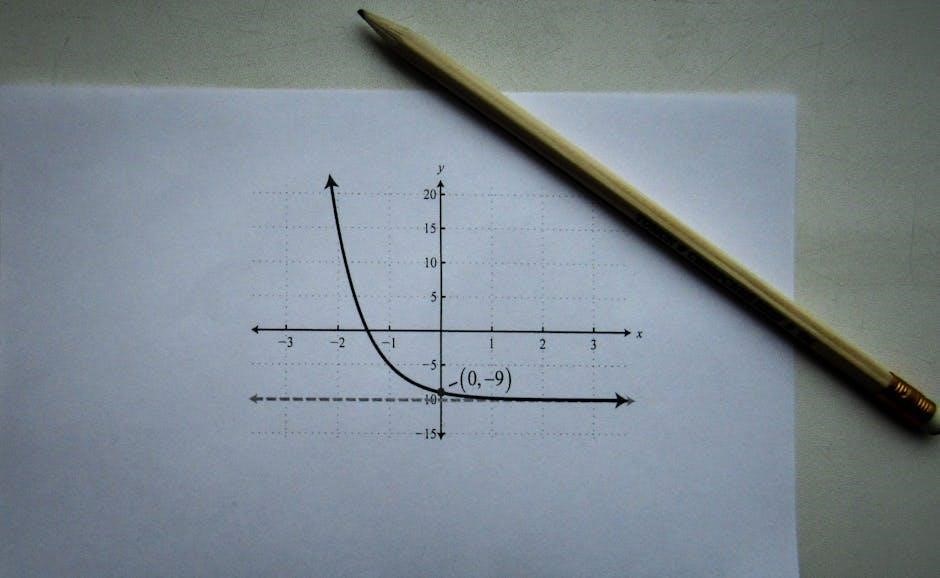
interpreting graphs worksheet pdf

Interpreting graphs worksheets (PDF) offer valuable practice in data analysis, crucial for students and professionals alike. These resources enhance analytical skills, fostering comprehension of visual information.

What are Graph Interpretation Worksheets?

Graph interpretation worksheets are educational tools designed to assess a student’s ability to extract meaning from visual representations of data. Typically available in PDF format for easy access and printing, these worksheets present various types of graphs – bar graphs, line graphs, pie charts, and scatter plots – accompanied by questions.

These questions prompt students to analyze trends, identify key data points, compare different sets of information, and draw conclusions based on the presented visuals. They often require students to read scales, understand labels, and interpret titles to accurately decipher the information conveyed by the graph. The goal is to build critical thinking and analytical skills.

Why are Graph Interpretation Skills Important?

Graph interpretation skills are fundamental across numerous disciplines and real-life scenarios. The ability to accurately read and understand graphs is crucial in fields like science, mathematics, economics, and social studies. These skills empower individuals to make informed decisions based on data, rather than relying on assumptions.

Furthermore, interpreting graphs fosters critical thinking, analytical reasoning, and problem-solving abilities. In today’s data-rich world, being able to quickly and effectively decipher visual information presented in graphs is a highly valued skill. Worksheets (PDF) provide targeted practice, building confidence and competence in this essential area.

Types of Graphs Commonly Found in Worksheets

Worksheets frequently feature bar graphs, line graphs, pie charts, and scatter plots, each designed to visually represent different types of data relationships.

Bar Graphs: Understanding Categorical Data

Bar graphs excel at displaying categorical data, where distinct groups or categories are compared using rectangular bars. The length of each bar corresponds to the frequency, count, or percentage of that category. Worksheets utilizing bar graphs often ask students to identify the category with the highest or lowest value, calculate differences between categories, or interpret the overall distribution of data.

Understanding the axes is key: one axis represents the categories, while the other displays the scale of measurement. Students must carefully read the labels and scale increments to accurately extract information. These graphs are foundational for developing skills in comparing discrete data sets and drawing conclusions about relative magnitudes. Analyzing bar graphs builds a strong base for more complex data interpretation.

Line Graphs: Tracking Changes Over Time

Line graphs are specifically designed to illustrate trends and changes in data over time. Data points are plotted and connected by lines, visually representing how a variable evolves. Worksheets featuring line graphs commonly require students to identify increasing or decreasing trends, pinpoint maximum and minimum values, and predict future values based on established patterns.

Interpreting these graphs necessitates a keen focus on both axes – the horizontal typically represents time, while the vertical displays the measured variable. Understanding the scale and intervals is crucial for accurate data reading. Students learn to analyze the slope of the line to determine the rate of change and draw informed conclusions about the data’s behavior.

Pie Charts: Representing Proportions

Pie charts excel at displaying parts of a whole, showcasing proportions and percentages with circular segments. Worksheets utilizing pie charts often ask students to determine the fraction or percentage each segment represents, compare the sizes of different segments, and calculate the total value based on segment information.

Successfully interpreting these charts requires understanding that the entire circle represents 100% of the data. Students must be able to visually estimate the relative sizes of the segments and translate those estimations into numerical values. Exercises frequently involve calculating the central angle of each segment to reinforce the relationship between proportions and degrees.

Scatter Plots: Exploring Relationships Between Variables

Scatter plots are powerful tools for visualizing the relationship between two different variables. Worksheets featuring scatter plots challenge students to identify patterns, such as positive, negative, or no correlation, between the plotted data points. Analyzing these plots helps determine if one variable influences another.

Interpreting scatter plots involves recognizing clusters, outliers, and the general trend of the data. Students learn to draw lines of best fit to represent the overall relationship and make predictions based on the plotted points. Exercises often ask about the strength of the correlation and whether it suggests a causal link, emphasizing the difference between correlation and causation.

Key Elements to Focus on When Interpreting Graphs

Understanding graph components – titles, axes, scales, and data points – is fundamental for accurate interpretation. Careful analysis unlocks insights from visual data.

Titles and Labels: The Foundation of Understanding

Titles and labels are the initial keys to unlocking a graph’s meaning. A clear, concise title immediately establishes the graph’s subject matter, providing essential context. Axis labels are equally vital; they define the variables being measured and their corresponding units.

Without proper labeling, data points become meaningless. Worksheets often test comprehension by asking students to identify what each axis represents. Pay close attention to units – are we dealing with meters, kilograms, or years? Misinterpreting units leads to incorrect conclusions. Labels also extend to legends in graphs with multiple data series, clarifying which line or bar corresponds to which category. Thoroughly examining these elements builds a solid foundation for accurate interpretation.

Axes: Identifying Independent and Dependent Variables

Understanding the roles of the x and y axes is fundamental to graph interpretation. The independent variable, often manipulated or controlled, is typically plotted on the x-axis (horizontal). This is the factor you change. Conversely, the dependent variable, which responds to changes in the independent variable, resides on the y-axis (vertical).

Worksheets frequently assess this concept by asking which variable is being affected by the other. Recognizing this relationship is crucial for drawing valid conclusions. For example, if time is on the x-axis and distance traveled is on the y-axis, time is independent – it’s what’s changing – and distance is dependent, as it changes because of time. Correctly identifying these variables unlocks the story the graph tells.

Scales: Recognizing Increments and Units

Graph scales dictate how values are represented, and accurate interpretation hinges on understanding them. Increments are the consistent steps between markings on an axis – are they 1s, 5s, 10s, or something else? Units specify what is being measured (e.g., seconds, meters, dollars).

Worksheets often test your ability to read values precisely. A poorly understood scale leads to misinterpretation. For instance, a y-axis labeled “Sales (in thousands)” means a value of ‘5’ actually represents 5,000, not just five. Pay close attention to the labels and the spacing to avoid errors. Mastering scale reading is essential for extracting accurate data points.

Data Points: Extracting Specific Information

Data points are the individual markers on a graph representing specific values. Interpreting graphs worksheets frequently require you to pinpoint exact data values. This involves locating the intersection of an x and y coordinate and then accurately reading the corresponding value from each axis.

Precision is key! Don’t simply estimate; use the gridlines to help you. Worksheets may ask for values at specific points or require you to identify the data point representing a particular scenario. Understanding the scale (as discussed previously) is crucial for correctly extracting this information. Practice makes perfect in accurately identifying and interpreting data points.

Common Questions Answered by Graph Interpretation Worksheets

Worksheets assess understanding by asking about trends, predictions, comparisons, and value calculations directly from the presented graphical data, building analytical skills.

Identifying Trends: Increasing, Decreasing, or Constant

Interpreting graphs worksheets (PDF) frequently challenge students to pinpoint trends within datasets. Recognizing whether a line on a graph is consistently rising indicates an increasing trend, signifying growth or positive correlation. Conversely, a downward slope reveals a decreasing trend, suggesting decline or negative correlation.

However, not all graphs showcase change; a horizontal line represents a constant trend, meaning the value remains stable over the observed period. Worksheets often present scenarios requiring students to describe these trends in context, for example, “Sales increased steadily from January to June.” Mastering trend identification is fundamental to drawing meaningful conclusions from graphical representations and is a core skill reinforced by these resources.

Making Predictions: Extrapolating Data

Interpreting graphs worksheets (PDF) often assess a student’s ability to extrapolate data – to predict future values based on established trends. This involves extending the graph’s line or curve beyond the provided data points, assuming the existing pattern continues. Worksheets might ask, “If this trend continues, what will the population be in 2030?”

It’s crucial to understand extrapolation isn’t foolproof; real-world factors can alter trends. However, these exercises build logical reasoning and mathematical skills. Students learn to visually estimate values and apply proportional reasoning. Successfully extrapolating data demonstrates a strong grasp of the graph’s underlying relationship and the ability to apply it to hypothetical scenarios.

Comparing Data Sets: Analyzing Differences

Interpreting graphs worksheets (PDF) frequently present multiple datasets on a single graph or across several. A key skill is accurately comparing these sets to identify differences and similarities. Questions might ask students to determine which dataset experienced the greatest growth, or to quantify the gap between two trends at a specific point in time.

This requires careful observation of lines, bars, or sections of pie charts. Students must analyze slopes, heights, and proportions to draw meaningful conclusions. Worksheets often emphasize using comparative language – “greater than,” “less than,” “similar to” – to articulate observed differences. Mastering this skill builds analytical thinking and the ability to synthesize information from visual representations.

Calculating Values: Reading Data from the Graph

Interpreting graphs worksheets (PDF) often assess a student’s ability to extract precise data points. This involves accurately “reading” values directly from the graph’s axes. For example, a line graph question might ask for the value of Y at a specific X coordinate, requiring students to locate the point and determine its corresponding value.

Bar graphs necessitate identifying the height of a bar, while pie charts demand calculating portions of a whole. Worksheets frequently include questions requiring students to estimate values when data points don’t fall precisely on grid lines, fostering interpolation skills. This skill is fundamental for understanding the quantitative information presented visually.

Resources for Finding Interpreting Graphs Worksheets (PDF)

Interpreting graphs worksheets (PDF) are readily available on numerous online educational websites, teacher resource platforms, and printable worksheet collections for easy access.

Online Educational Websites

Numerous online educational websites provide a wealth of interpreting graphs worksheets (PDF), catering to diverse grade levels and skill sets. Platforms like Khan Academy offer comprehensive lessons alongside practice exercises, allowing students to learn and reinforce their understanding. Education.com and Math-Drills.com host extensive collections of printable and interactive worksheets, covering various graph types – bar graphs, line graphs, pie charts, and scatter plots.

These websites often categorize worksheets by difficulty, enabling targeted practice. Many also provide answer keys for self-assessment. Furthermore, some sites offer dynamically generated worksheets, ensuring a continuous supply of fresh practice material. Utilizing these resources can significantly enhance a student’s ability to analyze and interpret graphical data effectively.

Teacher Resource Platforms

Interpreting graphs worksheets (PDF) are readily available on dedicated teacher resource platforms, designed to simplify lesson planning and assessment. Websites like Teachers Pay Teachers host a vast marketplace where educators share and sell their original materials, including a wide array of graph interpretation activities. Similarly, Share My Lesson provides free and premium resources curated for educators, often aligned with specific curriculum standards.

These platforms frequently offer differentiated worksheets to accommodate varying student needs. Many resources include detailed answer keys and accompanying lesson plans, saving teachers valuable preparation time. Access to these platforms often requires registration, but the benefits of a curated collection of high-quality materials are substantial.

Printable Worksheet Collections

Interpreting graphs worksheets (PDF) can be conveniently sourced from websites specializing in printable educational materials. Platforms like K5 Learning and Math-Drills.com offer extensive collections of free, downloadable worksheets covering various graph types – bar graphs, line graphs, pie charts, and more. These resources are typically categorized by grade level and skill, allowing teachers and parents to easily find appropriate practice exercises.

These collections often include worksheets focused on specific skills, such as reading scales, identifying trends, or calculating data points. The PDF format ensures easy printing and distribution, making them ideal for classroom use or homeschooling. Many sites also provide answer keys for quick assessment.

Tips for Successfully Completing Worksheets

Interpreting graphs worksheets (PDF) require careful attention to detail; thoroughly read each question, analyze the graph first, and always double-check your final answers.

Read the Questions Carefully

Interpreting graphs worksheets (PDF) often present questions that demand precise understanding. Before even glancing at the graph itself, dedicate time to dissecting each question thoroughly. Identify exactly what information is being requested – are you looking for a specific value, a trend, a comparison, or a prediction?

Pay close attention to the wording; subtle differences in phrasing can significantly alter the correct answer. Underline key terms and phrases within the question to ensure you don’t misinterpret the objective. A rushed reading can lead to focusing on the wrong data points or applying incorrect calculations. Taking a moment to fully grasp the question’s intent will save time and frustration in the long run, ultimately boosting your accuracy.

Analyze the Graph Before Answering

Once you’ve understood the question, resist the urge to immediately search for the answer. Instead, dedicate a moment to comprehensively analyze the entire interpreting graphs worksheet (PDF)’s visual representation. Begin by identifying the title, axis labels, and scales. What variables are being compared? What units are used?

Look for any obvious trends, patterns, or outliers. Consider the overall shape of the graph – is it increasing, decreasing, fluctuating, or stable? Mentally note key data points that might be relevant to the question. This preliminary overview will provide context and make it easier to pinpoint the specific information needed to answer accurately, preventing hasty and potentially incorrect conclusions.

Show Your Work When Necessary

Many interpreting graphs worksheet (PDF) questions require calculations or multi-step reasoning. In such cases, it’s crucial to demonstrate your thought process by clearly showing your work. This isn’t just about getting the right answer; it’s about demonstrating understanding.

Write down any formulas used, intermediate steps, and units of measurement. For example, if calculating a rate of change, show the slope calculation. This allows the instructor to follow your logic and identify any potential errors in your reasoning. Even if the answer is correct, a lack of supporting work may result in partial credit. Clarity and organization are key!

Double-Check Your Answers

After completing your interpreting graphs worksheet (PDF), dedicate time to thoroughly review each answer. Ensure your responses directly address the questions asked and are logically supported by the graph’s data. Verify that you’ve included the correct units of measurement where applicable – a common oversight!

Look for simple calculation errors or misinterpretations of the graph’s scales and labels. A quick re-examination can often reveal mistakes. Consider if your answer seems reasonable within the context of the data presented. Don’t rush this step; a few extra minutes can significantly improve your accuracy and overall score.

Advanced Graph Interpretation Concepts

Interpreting graphs worksheet (PDF) mastery extends to discerning correlation from causation, identifying outliers, and synthesizing insights from complex, multi-graph analyses.

Correlation vs. Causation

Interpreting graphs worksheet (PDF) exercises often present scenarios where variables appear related. However, a crucial skill is differentiating between correlation and causation. Correlation simply indicates a relationship – as one variable changes, so does another. For example, ice cream sales and crime rates might rise simultaneously, but one doesn’t cause the other.

Causation, conversely, means one variable directly influences another. Establishing causation requires rigorous testing and evidence, not just observation from a graph. Worksheets challenge students to avoid assuming a causal link based solely on a correlated trend. Recognizing confounding variables – unobserved factors influencing both variables – is key. Understanding this distinction is vital for drawing accurate conclusions from data visualizations.

Outliers and Anomalies

Interpreting graphs worksheet (PDF) practice frequently includes identifying outliers and anomalies – data points significantly different from the rest. These can dramatically skew interpretations if not addressed. Outliers aren’t necessarily errors; they might represent genuine, unusual occurrences. Anomalies, however, often signal data collection issues or errors needing investigation.

Worksheets prompt students to consider the potential reasons for these deviations. Is the outlier a legitimate extreme value, or a result of incorrect measurement? Analyzing their impact on trends and averages is crucial. Ignoring outliers can lead to misleading conclusions, while understanding them provides deeper insights into the data’s underlying story. Careful examination is paramount.

Interpreting Multiple Graphs

Interpreting graphs worksheet (PDF) exercises often progress to analyzing multiple graphs simultaneously. This builds a more sophisticated understanding of data relationships. Students learn to compare and contrast trends, identify correlations, and synthesize information presented in different visual formats.

These worksheets challenge learners to determine if graphs support or contradict each other, and to draw broader conclusions based on the combined evidence. For example, comparing a line graph showing sales trends with a pie chart illustrating market share provides a holistic view. The ability to integrate information from various sources is a vital skill, preparing students for real-world data analysis scenarios.

ice machine manitowoc manual

Manitowoc ice machines deliver reliable cooling solutions, and understanding your Manitowoc ice machine manual is crucial for optimal performance and longevity.

YouTube’s official app provides access to a vast library of content, including music, gaming, and news, enhancing the user experience globally.

Personalized recommendations and tailored ads are key features, driven by user activity and preferences within the YouTube ecosystem.

What are Manitowoc Ice Machines?

Manitowoc ice machines are renowned for their durability and high-volume ice production, serving a diverse range of commercial establishments. From restaurants and bars to hotels and healthcare facilities, these machines are engineered to meet demanding ice needs consistently. They represent a significant investment, and maximizing their lifespan and efficiency relies heavily on proper operation and maintenance, detailed within the Manitowoc ice machine manual.

YouTube, as a platform, mirrors this need for understanding – its app delivers a personalized experience, adapting to user preferences. Just as a manual guides Manitowoc machine operation, YouTube’s algorithms curate content based on viewing history. The platform’s global reach connects users to a vast library of videos, mirroring the widespread application of Manitowoc ice makers.

Understanding the specific features of your Manitowoc model, as outlined in its manual, is paramount for optimal performance.

Why Choose a Manitowoc Ice Machine?

Manitowoc ice machines stand out due to their robust construction, innovative technology, and consistent ice quality. They are designed for heavy-duty commercial use, offering reliability that minimizes downtime and maximizes productivity. However, realizing these benefits requires diligent adherence to the guidelines provided in the Manitowoc ice machine manual. Proper maintenance, as detailed within, ensures longevity and prevents costly repairs.

Similar to how YouTube’s app personalizes content based on user activity, a well-maintained Manitowoc machine consistently delivers optimal performance tailored to your needs. YouTube’s vast library caters to diverse interests, just as Manitowoc offers a range of models for varied applications.

Investing in a Manitowoc machine, coupled with careful manual review, is a commitment to quality and efficiency.

Understanding Your Manitowoc Ice Machine Manual

Manitowoc ice machine manuals are essential resources, offering detailed instructions for operation, maintenance, and troubleshooting, mirroring YouTube’s app guidance.

Locating Your Manual – Online and Physical Copies

Finding your Manitowoc ice machine manual is straightforward. Manitowoc provides digital copies on their official website, searchable by model number – a resource akin to accessing YouTube content on demand.

Often, a physical copy was included with the original machine purchase. If you’ve misplaced it, the online database is your best bet. The Manitowoc website allows downloads in PDF format for easy viewing and printing.

Alternatively, third-party websites specializing in appliance manuals may host copies. Remember to verify the manual’s applicability to your specific model. Just as YouTube offers diverse content, Manitowoc ensures manual accessibility. Downloading the YouTube app provides similar convenience.

Ensure the manual corresponds to your machine’s serial number for accurate information.

Importance of Reading the Manual Before Operation

Before operating your Manitowoc ice machine, thoroughly reading the manual is paramount. It details crucial safety precautions, preventing potential hazards – much like understanding YouTube’s terms of service ensures safe platform use.

The manual outlines proper setup, operation, and maintenance procedures, maximizing efficiency and extending the machine’s lifespan. Ignoring these instructions can lead to malfunctions, void warranties, and costly repairs.

Familiarize yourself with troubleshooting tips to address minor issues independently. Understanding the machine’s specific components, as described in the manual, is vital. Just as YouTube’s creators follow guidelines, operators must adhere to Manitowoc’s instructions.

Proper operation ensures consistent ice quality and prevents damage, safeguarding your investment.

Key Components of a Manitowoc Ice Machine

Manitowoc machines feature intricate systems; the manual details components like the evaporator, condenser, and control board, mirroring YouTube’s complex infrastructure.

Ice Making Process Explained

Manitowoc ice machines initiate the process with water entering the machine and flowing through the water filtration system, as detailed in your manual. This purified water then enters the evaporator plate, where refrigerant absorbs heat, causing the water to freeze.

The formed ice accumulates, and a harvest cycle is triggered, releasing the ice from the evaporator. This cycle, thoroughly explained within the manual, utilizes various methods depending on the model – air, water, or a combination.

Harvested ice falls into a storage bin, ready for use. The manual emphasizes the importance of understanding these cycles for efficient operation, much like understanding YouTube’s content delivery network ensures smooth streaming. Regular reference to the manual will help you maintain peak performance.

Water Filtration System – Importance and Maintenance

Manitowoc ice machine performance hinges on a clean water supply, and your manual stresses the vital role of the water filtration system. Impurities can affect ice clarity, taste, and machine efficiency, mirroring how content quality impacts YouTube viewership.

The manual details filter replacement schedules – typically every six months, but dependent on water quality. Ignoring this leads to scale buildup, reducing cooling capacity and potentially causing breakdowns.

Regular filter changes, as outlined in the manual, ensure consistently clear, flavorful ice. Like YouTube’s algorithm prioritizing fresh content, a clean filter optimizes your machine. Always follow the manual’s instructions for proper filter installation and disposal to maintain optimal operation.

Common Manitowoc Ice Machine Issues & Troubleshooting

Manitowoc ice machine problems are often addressed in your manual; common issues include low ice production or water leaks, mirroring YouTube’s content flagging.

Ice Quality Problems (Cloudy, Small, or Misshapen Ice)

Cloudy, small, or misshapen ice often indicates issues with water quality or filtration, detailed in your Manitowoc ice machine manual. Check the water filter; a clogged or expired filter is a frequent culprit, similar to content moderation on YouTube.

Scale buildup within the machine can also affect ice clarity and shape – regular cleaning, as outlined in the manual, is vital. Low refrigerant levels or a malfunctioning water inlet valve can contribute to these problems. Refer to the troubleshooting section of your manual for specific diagnostic steps and recommended solutions.

YouTube’s algorithm prioritizes relevant content; similarly, a well-maintained machine produces quality ice. Ignoring these issues can lead to reduced ice production and potential machine failure. Always consult the manual before attempting repairs.

Machine Not Producing Ice – Diagnostic Steps

If your Manitowoc ice machine isn’t producing ice, consult your manual first. Begin by checking the power supply and ensuring the machine is properly connected, much like verifying a stable internet connection for YouTube streaming.

Verify the water supply is turned on and the water line isn’t kinked or frozen. Inspect the air vents for obstructions, as restricted airflow can halt production. Your manual details specific error codes; note any displayed and reference the corresponding troubleshooting guide.

Check the harvest cycle – is it initiating? A faulty harvest sensor or timer could be the issue. Refer to the manual for testing procedures. Ignoring these steps may lead to costly repairs. YouTube’s content creators rely on consistent uploads; your machine needs consistent operation!

Water Leaks – Identifying the Source and Solutions

Water leaks in a Manitowoc ice machine require immediate attention. Your manual is the first resource – it details common leak points. Begin by inspecting the water inlet valve, drain lines, and ice storage bin for visible cracks or loose connections, similar to checking cables for YouTube streamers.

Check the water filter housing; a poorly sealed filter can cause leaks. Examine the spray arms inside the ice-making chamber for damage. Tighten any loose fittings, but avoid over-tightening. If the leak persists, consult the manual for specific component diagrams.

Persistent leaks may indicate a faulty component requiring professional repair. Ignoring leaks can lead to water damage and mold growth. Just as YouTube relies on stable servers, your machine needs a secure water system!

Manitowoc Ice Machine Cleaning & Maintenance

Regular cleaning, guided by your Manitowoc ice machine manual, ensures optimal performance and ice quality, mirroring YouTube’s content updates.

YouTube’s app offers personalized content, while a clean machine delivers consistently pure and reliable ice for your needs.

Daily Cleaning Procedures

Consistent daily cleaning, as detailed in your Manitowoc ice machine manual, is paramount for maintaining sanitary ice production. Begin by emptying the ice storage bin and discarding any old ice. Wipe down the bin’s interior surfaces with a food-safe sanitizer solution, ensuring complete coverage.

Next, clean the ice machine’s exterior surfaces, paying attention to areas prone to spills or condensation. Regularly inspect and clean the water distribution tubes to prevent mineral buildup, similar to how YouTube constantly refreshes its content feed. Wipe down the air filters to ensure proper airflow.

Finally, rinse all surfaces thoroughly with potable water and allow them to air dry. Refer to your manual for specific sanitizer concentrations and recommended cleaning schedules. Like YouTube’s personalized recommendations, diligent cleaning ensures a consistently high-quality output.

Scheduled Maintenance – Scale Removal & Sanitization

Manitowoc ice machine manuals emphasize scheduled maintenance, particularly scale removal and sanitization, to prolong machine life and ice quality. Scale buildup, caused by mineral deposits, reduces efficiency. Follow the manual’s instructions for descaling, typically involving a specialized cleaning solution.

Sanitization, crucial for preventing bacterial growth, should occur regularly – the frequency detailed in your manual. Thoroughly flush the system after using any cleaning agents, ensuring no residue remains. This process, like YouTube’s content moderation, maintains a clean and reliable system.

Record all maintenance activities in a logbook, noting dates and solutions used. Consistent adherence to the schedule, as outlined in the manual, guarantees optimal performance and safe ice production.

Recommended Cleaning Solutions & Their Usage

Manitowoc ice machine manuals specify approved cleaning solutions; using others can void warranties and damage components. Scale removal often requires a descaling solution, carefully diluted according to the manual’s instructions. Sanitizing solutions, designed to eliminate bacteria and mold, are equally important.

Always follow dilution ratios precisely, as concentrated solutions can be corrosive. Flush the system thoroughly after each cleaning cycle, ensuring no chemical residue remains in the ice-making process – similar to YouTube’s content filtering.

The manual details specific procedures for each solution, including contact times and rinsing requirements. Proper ventilation is crucial when handling cleaning chemicals, prioritizing safety.

Safety Precautions When Operating a Manitowoc Ice Machine

Manitowoc ice machine manuals emphasize electrical safety and proper chemical handling; always disconnect power before servicing and wear appropriate protection.

YouTube’s platform connects users globally, offering diverse content and fostering a community experience.

Personalized recommendations enhance user engagement, while tailored ads support content creators and platform sustainability.

Electrical Safety Guidelines

Manitowoc ice machine manuals consistently prioritize electrical safety, stressing the importance of a dedicated, grounded circuit to prevent overloads and potential hazards. Always disconnect the machine from the power source before performing any maintenance or cleaning procedures. Never attempt to repair electrical components yourself; qualified technicians should handle these tasks.

Inspect power cords regularly for damage – fraying, cracks, or exposed wires – and replace them immediately if any issues are detected; Avoid using extension cords whenever possible, and if absolutely necessary, ensure they are heavy-duty and properly rated for the machine’s power requirements. Water and electricity are a dangerous combination; keep electrical components dry and avoid operating the machine in damp environments.

YouTube’s platform fosters global connection, offering diverse content and a vibrant community experience for millions of users worldwide.

Personalized recommendations and tailored ads enhance user engagement, supporting both content creators and the platform’s sustainability.

Proper Handling of Cleaning Chemicals

Manitowoc ice machine manuals emphasize the safe handling of cleaning chemicals, recommending the use of approved sanitizers and descalers specifically designed for ice machine applications. Always wear appropriate personal protective equipment (PPE) – gloves, eye protection, and potentially a mask – when handling these chemicals. Never mix different cleaning agents, as this can create hazardous fumes or reactions.

Ensure adequate ventilation during cleaning procedures. Dilute chemicals according to the manufacturer’s instructions, and avoid splashing or spilling. Store cleaning solutions in a secure location, out of reach of children and unauthorized personnel. Rinse thoroughly after cleaning to remove any chemical residue that could contaminate the ice.

YouTube’s official app provides access to a vast library of content, including music, gaming, and news, enhancing the user experience globally.

Personalized recommendations and tailored ads are key features, driven by user activity and preferences within the YouTube ecosystem.

Manitowoc Ice Machine Model Specific Information

Manitowoc manuals detail unique features of Quantum, Indigo, and S Series models; access specific guides and parts lists online for tailored maintenance.

YouTube’s app delivers personalized content, including video recommendations and a customized homepage, based on user viewing history.

Google Play and the App Store offer the YouTube application for Android and iOS devices, respectively.

Differences Between Quantum, Indigo, and S Series

Manitowoc’s ice machine series – Quantum, Indigo, and S Series – cater to diverse needs, and your manual is key to understanding their distinctions. Quantum machines represent the high-end, offering maximum ice production and advanced features like AlphaSmart technology for self-monitoring. Indigo models strike a balance between performance and efficiency, ideal for medium-volume applications.

The S Series provides a cost-effective solution for lower volume needs, prioritizing reliability and simplicity. Each series has unique component layouts and maintenance requirements detailed in its specific manual. YouTube’s platform connects users globally with diverse content, from gaming to music. The app’s personalized recommendations enhance the viewing experience.


Downloading the YouTube Music app provides access to over 100 million songs, albums, and playlists. Always refer to your machine’s manual for model-specific instructions.

Accessing Model-Specific Manuals and Parts Lists

Manitowoc provides several avenues for accessing your ice machine’s specific manual and parts lists. The official Manitowoc website hosts a comprehensive library of documentation, searchable by model number. Retaining your original manual is crucial, but digital copies offer convenient access. YouTube’s app delivers a vast content library, connecting users worldwide.

Parts lists are often included within the manual or available as separate downloads. These lists detail component diagrams and part numbers, simplifying maintenance and repairs. Google Play and the App Store offer the official YouTube application. Personalized content and ads enhance the user experience.

Always verify compatibility before ordering parts. Remember, accurate model identification is essential for finding the correct resources. YouTube Music provides access to over 100 million songs.

perceived exertion scale pdf

The RPE scale visualizes exercise intensity, aiding workout planning and recovery; understanding its meaning is crucial for personalized fitness tracking and monitoring effort levels.

Monitoring exercise isn’t just about time spent, but also how hard you’re working, and the RPE scale offers a subjective way to assess this crucial element.

A personalized rating system allows individuals to track their workouts effectively, as a casual jog differs greatly in exertion depending on fitness levels and goals.

What is the Perceived Exertion Scale?

The Rate of Perceived Exertion (RPE) scale, developed by Gunner Borg in 1982, is a subjective measurement tool designed to help individuals track the intensity of their physical activity. It’s a way to gauge how hard you feel like you’re working, rather than relying solely on objective measures like heart rate or speed.

Essentially, the RPE scale allows you to assign a number to your workout’s difficulty, providing a personalized assessment of your effort. You’ve likely already used RPE intuitively – thinking a workout feels like a “10 out of 10” in terms of challenge. The scale simply formalizes this process.

This scale is incredibly valuable because exercise intensity varies significantly between individuals. What feels challenging for one person might be easy for another. Therefore, a subjective scale like RPE offers a more tailored approach to fitness tracking and progressive overload.

Why is Monitoring Exercise Intensity Important?

Monitoring exercise intensity is paramount for achieving optimal fitness results and preventing injury. It’s not enough to simply put in the time; you must also ensure you’re working at the appropriate level of effort to stimulate progress.

Fitness progress hinges on intensity – you need to run faster to get faster and lift heavier to get stronger, embodying the principle of progressive overload. Without tracking intensity, it’s difficult to consistently challenge your body.

Furthermore, understanding your exertion levels helps you avoid overtraining, which can lead to fatigue, injury, and burnout. By paying attention to how your body feels, you can adjust your workouts accordingly and maintain a sustainable training regimen.

Understanding the RPE Scale

The RPE scale, developed by Gunner Borg in 1982, is a subjective measurement designed to track exercise intensity and aid in personalized fitness planning.

The Original Borg RPE Scale (6-20)

The initial Borg RPE scale, ranging from 6 to 20, was designed to correlate roughly with heart rate. A rating of 6 signifies no exertion at all, akin to resting, while 20 represents maximal exertion – the absolute limit of your physical capacity.

Each number on the scale corresponds to a specific level of perceived physical stress. For instance, a score of 7-8 might feel very, very light, while 12-14 indicates somewhat hard.

This scale allows individuals to subjectively assess how strenuous their activity feels, providing valuable insight into their effort level. It’s important to note that this is perceived exertion, meaning it’s based on your individual sensations, not objective measurements.

Though less commonly used today, understanding the original scale provides context for the modified versions and the evolution of exertion measurement.

The Modified Borg CR10 Scale (0-10)

The CR10 scale, a simplified version of the original Borg scale, ranges from 0 to 10, making it more user-friendly and easier to remember. Zero indicates nothing at all, representing complete rest, while 10 denotes maximal exertion – an all-out, unsustainable effort.

This scale is widely used today due to its simplicity and practicality. A rating of 5-6 typically corresponds to moderate exertion, feeling like you’re working somewhat hard, while 7-8 suggests vigorous intensity.

The CR10 scale aims to provide a quick and intuitive assessment of exercise intensity, allowing individuals to easily gauge their effort during various activities.

It’s a valuable tool for tracking progress, adjusting workout intensity, and ensuring safe and effective training, especially for those new to monitoring exertion levels.

How the RPE Scale Works: Subjective Measurement

The RPE scale relies on a subjective assessment of physical exertion, meaning it’s based on how you feel during exercise, rather than objective measures like heart rate or speed. This internal perception considers factors like muscle fatigue, breathing rate, and overall strain.

It’s a holistic evaluation, integrating signals from your body to provide a single number representing intensity. While individual experiences vary, the scale offers a standardized framework for self-monitoring.

This subjective nature makes the RPE scale accessible to everyone, regardless of fitness level or access to equipment. It empowers individuals to tune into their bodies and adjust their workouts accordingly.

Effectively using the RPE scale requires honest self-assessment and consistent practice to accurately correlate perceived effort with actual physiological responses.

Using the RPE Scale Effectively

Effectively utilizing the RPE scale involves correlating it with heart rate, applying it to diverse exercises, and understanding how it guides intensity for optimal results.

Progressive overload, guided by RPE, ensures continuous improvement by incrementally increasing workout difficulty based on perceived exertion levels.

Personalized tracking with RPE allows for tailored workout adjustments, maximizing fitness gains while minimizing the risk of overtraining or injury.

Correlating RPE with Heart Rate

Establishing a connection between your Rate of Perceived Exertion (RPE) and your heart rate is a valuable step towards more accurate and personalized exercise intensity monitoring. While RPE is subjective, it can be calibrated against objective measures like heart rate to enhance its reliability.

Generally, a lower RPE (e.g., 6-8 on the Borg scale or 0-2 on the CR10 scale) will correspond to a lower heart rate, indicating light to moderate intensity. Conversely, a higher RPE (e.g., 16-20 or 8-10) will align with a higher heart rate, signifying vigorous to maximal intensity.

However, individual variations exist, influenced by factors like fitness level, medication, and environmental conditions. Regularly checking your heart rate during exercise while simultaneously noting your RPE can help you create a personalized correlation chart. This allows you to gauge intensity effectively even without constant heart rate monitoring.

Applying RPE to Different Exercise Types

The versatility of the RPE scale lies in its adaptability across various exercise modalities. While the principle remains consistent – assessing how hard you feel you’re working – the manifestation of that effort differs between activities.

For cardiovascular exercise like running or cycling, RPE considers factors like breathing rate, muscle fatigue, and overall strain. A higher RPE indicates difficulty maintaining a conversation. In strength training, RPE focuses on the number of repetitions you can complete with good form before reaching muscular failure.

Adjusting your perception is key; a challenging weightlifting set will feel different than a strenuous cardio session. Utilizing RPE allows for personalized intensity adjustments, ensuring effective workouts tailored to your specific fitness goals and exercise preferences.

RPE for Cardiovascular Exercise

When applying RPE to cardio, focus on the combined sensations of breathing rate, leg effort, and overall body strain. A rating of 1-3 suggests a comfortable pace, allowing for easy conversation. Ratings of 4-6 indicate moderate intensity, where talking becomes slightly challenging.

As you increase to 7-8, breathing becomes labored, and conversation is difficult. This signifies vigorous intensity. Ratings of 9-10 represent maximal effort, unsustainable for extended periods. Remember, RPE is subjective; listen to your body!

Tracking RPE during cardio helps gauge progress and prevent overtraining. Consistent monitoring allows for adjustments to pace and duration, optimizing your cardiovascular workouts for maximum benefit and sustained improvement.

RPE for Strength Training

Utilizing RPE in strength training differs from cardio; it focuses on how many repetitions you could perform before reaching muscular failure. An RPE of 6 means you could likely do 2 more reps with good form. An RPE of 7 suggests 1 rep remaining.

An RPE of 8 indicates you’re very close to failure, potentially only able to complete one more repetition. Ratings of 9-10 represent maximal effort, where you can’t complete another rep with proper technique.

This method is valuable as it accounts for daily fluctuations in strength and fatigue. RPE allows for auto-regulation, ensuring you’re challenging your muscles appropriately without risking injury or overexertion, promoting progressive overload.

RPE Scale for Specific Populations

Pictorial scales are often favored for children, offering a visual representation of exertion, while adaptations are needed for individuals with health conditions.

These modifications ensure accessibility and accurate self-reporting across diverse groups, promoting inclusive fitness assessments and personalized training.

RPE Scales for Children: Pictorial Scales

Traditional RPE scales, relying on numerical ratings, can be challenging for children who may lack the verbal skills or cognitive understanding to accurately assess their exertion levels. Pictorial scales offer a compelling alternative, utilizing images to represent varying degrees of effort.

These scales often feature faces depicting different levels of intensity – from happy and relaxed to strained and exhausted – allowing children to point to the image that best reflects how they feel during physical activity. This visual approach simplifies the process, making it more accessible and engaging for younger participants.

Effectively, pictorial scales enhance the validity of exertion measurements in children, providing valuable insights for tailoring exercise programs and ensuring safe, enjoyable physical activity experiences. Researchers have demonstrated their reliability in capturing children’s perceived exertion, contributing to more informed fitness assessments.

Adapting RPE for Individuals with Health Conditions

Utilizing the RPE scale with individuals possessing health conditions requires careful consideration and potential modifications to ensure accurate and safe exercise prescription. Pre-existing conditions, such as cardiovascular or respiratory illnesses, can influence perceived exertion, making standard interpretations less reliable.

Healthcare professionals often recommend lower starting RPE levels and slower progression rates for these populations. Individualized adjustments are crucial, factoring in symptom limitations, medication effects, and functional capacity. Focusing on the overall feeling of effort, rather than solely relying on numerical values, is often beneficial.

Regular monitoring and open communication between the individual and their healthcare provider are essential to refine the RPE scale’s application and optimize exercise benefits while minimizing risks. Modified scales or supplementary assessments may be necessary for a comprehensive evaluation.

Benefits of Using the RPE Scale

The RPE scale enables personalized workout tracking and progressive overload, allowing individuals to monitor effort and adjust intensity for optimal fitness gains.

Fitness progress hinges on intensity; increasing speed or weight requires consistent, measured effort, which RPE effectively facilitates.

Tracking exertion is vital, and RPE provides a simple, subjective method to gauge workout intensity and tailor training accordingly.

Personalized Workout Tracking

Utilizing the RPE scale allows for a highly individualized approach to fitness, recognizing that exertion is subjective and varies significantly between individuals. Since a challenging workout for one person may be moderate for another, RPE empowers you to monitor your effort levels.

This self-assessment provides valuable data for tracking progress over time, noting how your perceived exertion changes with improved fitness. It moves beyond simply logging time or distance, focusing on the intensity experienced during each session.

By consistently using the scale, you create a baseline understanding of your exertion levels for different activities, enabling you to tailor workouts to your specific needs and capabilities. This personalized feedback loop is essential for maximizing results and preventing overtraining.

Progressive Overload and RPE

Progressive overload, the cornerstone of fitness improvement, requires consistently increasing the demands placed on your body. The RPE scale becomes a powerful tool in implementing this principle effectively and safely.

Instead of solely relying on adding weight or increasing duration, RPE allows you to gauge when you’ve reached a point where the exercise feels more challenging. Aiming for a slight increase in perceived exertion each session ensures continued progress.

Monitoring RPE helps prevent plateaus and minimizes the risk of injury by signaling when you’re pushing too hard. It’s about finding the sweet spot – challenging yourself without exceeding your current capacity, fostering sustainable gains over time.

Finding and Utilizing RPE Charts & PDFs

Numerous RPE scale PDFs are readily available online for download, offering a visual aid to interpret exertion levels during various exercise activities effectively.

These charts provide a clear reference, correlating numerical values with descriptions of how your effort feels, enhancing self-assessment accuracy.

Utilizing these resources empowers you to personalize workout tracking and optimize training intensity based on your individual perceived exertion.

Where to Download RPE Scale PDFs

Locating RPE scale PDFs is surprisingly straightforward, with a wealth of resources available online. A simple web search for “RPE scale PDF” yields numerous options from reputable sources, including fitness websites, university health centers, and exercise physiology organizations.

American College of Sports Medicine (ACSM) and the Borg Scale websites often host downloadable charts. Many personal training certification programs also provide free RPE scale PDFs as supplementary materials.

Ensure the PDF you choose clearly displays both the numerical scale (6-20 or 0-10) and corresponding descriptive phrases for each level of exertion. Look for charts that are visually appealing and easy to understand at a glance, facilitating quick reference during workouts. Prioritize PDFs from trusted sources to guarantee accuracy and reliability.

Interpreting RPE Charts

RPE charts typically present a numerical scale alongside descriptive phrases representing exertion levels. For the Borg 6-20 scale, 6 signifies “no exertion at all,” while 20 indicates “maximal exertion.” The modified CR10 scale ranges from 0 (nothing at all) to 10 (maximal).

Understanding the descriptions is key; for example, a rating of 12-14 on the 6-20 scale corresponds to “somewhat hard,” indicating noticeable effort but still manageable.

Accurate interpretation relies on honest self-assessment. Consider your breathing rate, muscle fatigue, and overall feeling of effort. Don’t focus solely on heart rate; RPE is a holistic measure. Use the chart as a guide, adjusting your intensity based on your individual perception and fitness level for optimal training.

RPE and Physiological Responses

Perceived exertion correlates with physiological markers like breathing rate and muscle fatigue; RPE scales help assess cardiovascular and muscular responses during exercise effectively.

Dyspnea, or shortness of breath, often increases with exertion, aligning with higher RPE values, providing insight into the body’s physiological strain.

Joint dynamics and amplitude of movement are also linked to perceived exertion, demonstrating a complex interplay between physical effort and bodily response.

Relationship Between Perceived Exertion and Dyspnea

Dyspnea, commonly known as shortness of breath, frequently accompanies increased exercise intensity and demonstrates a strong correlation with an individual’s perceived exertion levels. As physical activity demands escalate, the body requires more oxygen, leading to an increased respiratory rate and depth. This heightened breathing effort is often consciously registered as a feeling of breathlessness, directly influencing the RPE score.

The RPE scale allows individuals to quantify this subjective sensation, providing a valuable link between physiological response and personal experience. Higher RPE values typically correspond with more pronounced dyspnea, indicating a greater challenge to the respiratory system. Conversely, lower RPE scores generally reflect easier breathing and a less strenuous effort.

Understanding this relationship is crucial for safe and effective exercise, enabling individuals to adjust their intensity based on their breathing and perceived effort, preventing overexertion and promoting optimal performance.

RPE and Muscular/Cardiovascular Assessment

The RPE scale offers a practical, non-invasive method to assess cardiovascular and muscular strain during exercise, complementing objective measurements like heart rate and lactate levels. As exertion increases, both cardiovascular and muscular systems work harder to meet the body’s energy demands. This manifests as increased heart rate, blood pressure, and muscle fatigue – sensations individuals often perceive and reflect in their RPE score.

A higher RPE generally indicates greater cardiovascular stress and muscular recruitment. Trained individuals may achieve higher workloads at similar RPE levels due to improved physiological efficiency.

Utilizing RPE alongside objective assessments provides a holistic view of exercise response, allowing for personalized training adjustments and a deeper understanding of an individual’s fitness level and physiological capabilities.

Limitations of the RPE Scale

Subjectivity is inherent; individual perceptions of exertion vary based on fitness, motivation, and even environmental factors, impacting the scale’s absolute accuracy.

Subjectivity and Individual Variation

The RPE scale’s core relies on personal perception, inherently introducing subjectivity. What feels like a “7” exertion for one person might be a “5” or a “9” for another, due to differing fitness levels, training backgrounds, and even daily factors like fatigue or mood.

Motivation significantly influences perceived effort; a highly motivated individual might underestimate exertion, pushing through discomfort, while someone lacking motivation could overestimate it. This individual variation means the RPE scale isn’t a precise, objective measurement like heart rate or oxygen consumption.

External factors, such as temperature, humidity, and altitude, can also alter perceived exertion. Furthermore, familiarity with an exercise can reduce the perceived effort over time, even if the physiological demand remains constant. Therefore, consistent self-assessment and awareness of these influencing factors are vital for accurate RPE utilization.