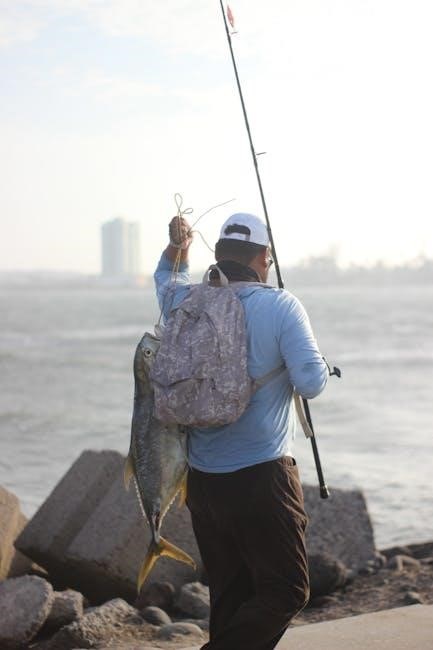
Saltwater Fishing Guide: A Comprehensive Overview
Embark on an exciting journey into the world of saltwater angling! This guide delves into techniques, from dock fishing to fly fishing, and species targeting, like striped bass and fluke․
Understanding Saltwater Fishing Environments
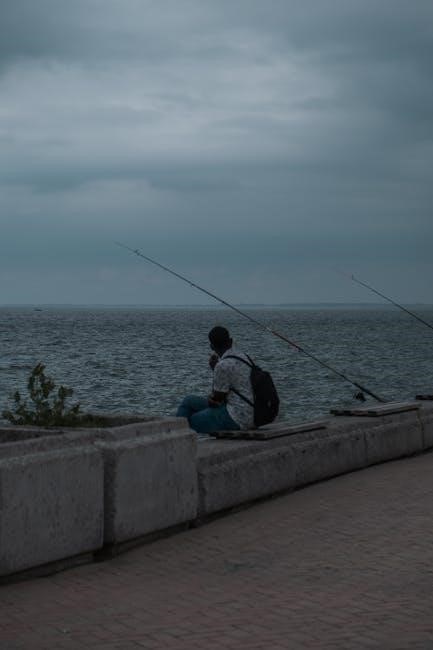
Saltwater environments are incredibly diverse, ranging from calm bays and estuaries to the powerful surf and vast offshore expanses․ Each presents unique challenges and opportunities for anglers․ Understanding these differences is crucial for success․ Coastal areas, like Florida’s inshore waters, offer sheltered fishing grounds ideal for targeting species around docks and boat slips – often overlooked for techniques like flipping and pitching․
The ocean’s dynamic nature – tides, currents, water temperature, and salinity – significantly impacts fish behavior and location․ Surf fishing demands adapting to wave action and sandbar formations․ Offshore environments require navigating deeper waters and understanding how currents influence fish distribution․ Recognizing these environmental factors allows anglers to predict where fish will congregate and select appropriate tactics․ Successful saltwater fishing hinges on respecting and understanding the power of the ocean․
Common Saltwater Fish Species
The saltwater realm teems with a remarkable variety of fish, each possessing unique characteristics and requiring tailored fishing approaches․ Striped bass, a popular target, are often portrayed as difficult to catch, but many experienced anglers find them quite accessible․ Fluke, also known as summer flounder, evoke nostalgic memories for many, representing cherished fishing experiences from childhood․
Beyond these, countless other species await discovery․ From hard-fighting game fish like tuna and marlin in offshore waters to smaller, delectable species like snapper and grouper inhabiting reefs and wrecks, the possibilities are endless; Understanding a species’ habitat, feeding habits, and seasonal movements is key to consistently landing them․ Identifying target species allows anglers to refine their gear selection and techniques for optimal results․
Essential Saltwater Fishing Gear
Success in saltwater fishing hinges on having the right equipment․ This begins with a robust rod and reel combination, carefully selected to match the target species and fishing environment․ Line and leader choices are equally crucial, demanding consideration of strength, abrasion resistance, and visibility․ The appropriate hooks, lures, and bait will significantly influence your success rate․
Saltwater conditions are harsh, so corrosion-resistant gear is paramount․ When venturing into saltwater fly fishing, specialized rods and reels designed for the marine environment are essential․ Investing in quality gear not only enhances your fishing experience but also ensures durability and reliability, allowing you to confidently battle even the most formidable saltwater adversaries․
Rod and Reel Selection
Choosing the right rod and reel is foundational to saltwater success․ Consider the target species; heavier rods and larger reels are needed for offshore giants, while lighter setups suit inshore species․ Rod action – fast, moderate, or slow – impacts casting distance and sensitivity․ Fast-action rods excel in sensitivity and power, ideal for lures, while slower actions are better for bait fishing․
Reel types vary, with spinning, conventional, and fly reels each offering unique advantages․ Spinning reels are user-friendly, conventional reels provide power, and fly reels cater to specialized techniques․ Look for reels with corrosion-resistant components, like sealed bearings and graphite frames․ Saltwater fly fishing demands fast-action rods specifically designed for the marine environment, ensuring effective line control and casting․
Line and Leader Choices
Selecting appropriate line and leader materials is crucial for saltwater fishing․ Monofilament is affordable and versatile, offering good stretch, while fluorocarbon is nearly invisible underwater, ideal for wary fish․ Braided lines provide exceptional strength and sensitivity, but lack stretch․ Consider the target species and fishing environment when choosing line weight․
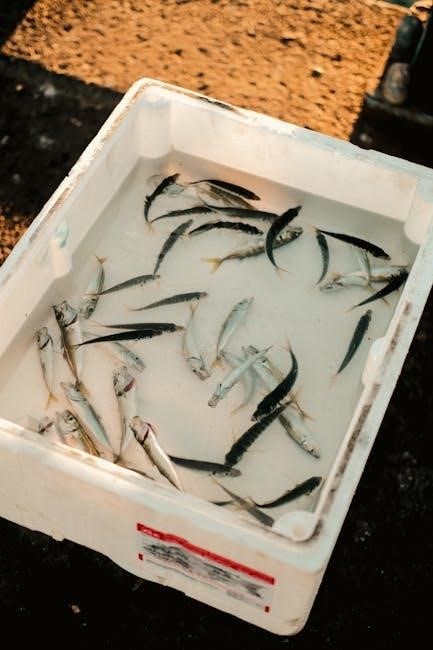
Leaders are essential for abrasion resistance and stealth․ Fluorocarbon leaders are popular for their invisibility, protecting against sharp teeth and structure․ Wire leaders are necessary when targeting toothy predators like mackerel or bluefish․ Leader length depends on water clarity and fish behavior; longer leaders offer more stealth, while shorter leaders improve casting distance․ Properly matched line and leader combinations maximize your chances of landing a prized catch․
Hooks, Lures, and Bait
The selection of hooks, lures, and bait significantly impacts fishing success․ Circle hooks are excellent for catch-and-release, minimizing gut hooking, while J-hooks offer a traditional presentation․ Hook size must match the bait and target species․ Lures mimic prey, attracting aggressive strikes; popular choices include spoons, plugs, and soft plastics․
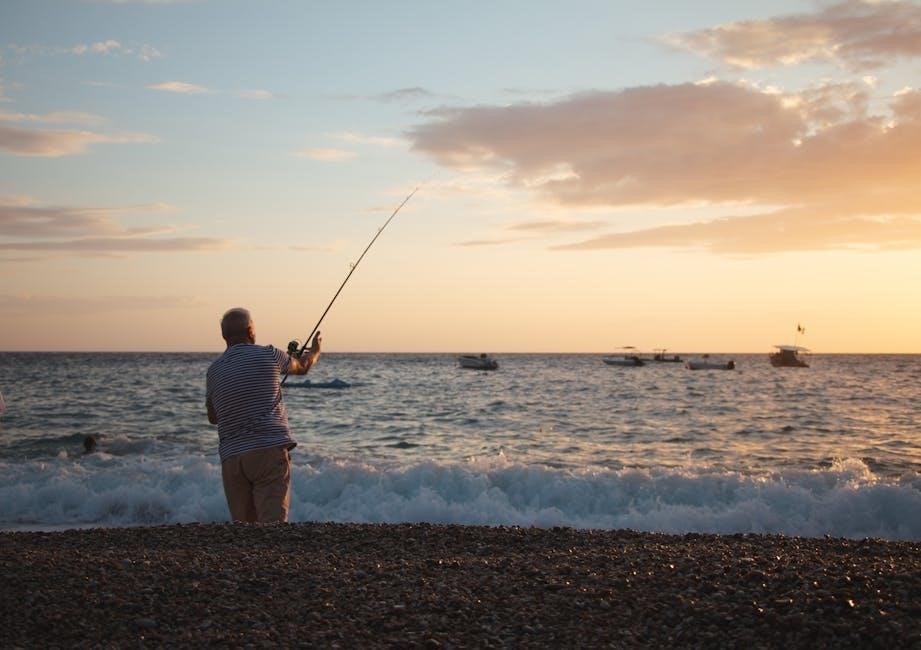
Bait provides a natural scent and flavor, enticing finicky fish․ Live bait, such as shrimp or minnows, is highly effective․ Cut bait, like squid or mackerel, releases a strong scent trail․ Matching the bait to the target species’ diet is key․ Experiment with different colors and presentations to determine what works best in your fishing location․ Proper bait presentation is crucial for attracting bites․
Popular Saltwater Fishing Techniques
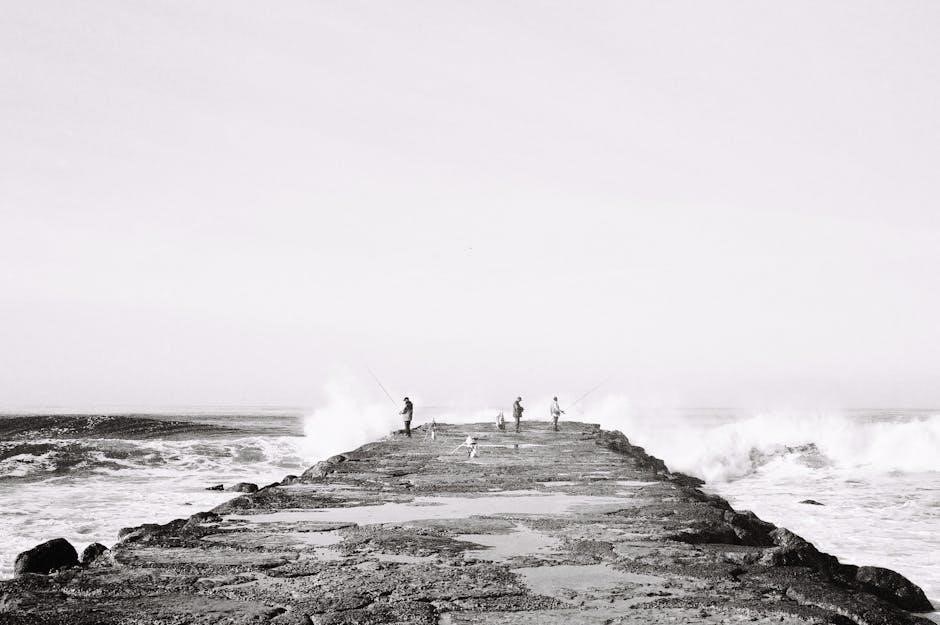
Saltwater fishing boasts diverse techniques tailored to various environments․ Surf fishing involves casting from the beach, targeting species like striped bass and bluefish․ Pier fishing offers accessibility and often yields catches of mackerel, flounder, and smaller reef species․ Inshore fishing focuses on flats, bays, and estuaries, employing light tackle for species like redfish and speckled trout․
Offshore techniques venture into deeper waters․ Trolling drags lures behind a moving boat, attracting pelagic fish like tuna and marlin․ Jigging involves vertically dropping and retrieving lures, effective for bottom-dwelling species․ Bottom fishing utilizes weighted lines to present bait on the seafloor, targeting grouper and snapper․ Adapting your technique to the specific location and target species is paramount for success․
Surf Fishing Strategies
Successful surf fishing demands understanding wave action and currents․ Identifying troughs and holes where fish congregate is crucial․ Employing a pyramid sinker helps maintain bottom contact in strong currents․ Long casts are often necessary to reach these areas, requiring appropriate rod and line selection․
Bait selection varies with target species and location․ Sand fleas, shrimp, and cut bait are popular choices․ Utilizing a shock leader minimizes line abrasion against sand and rocks․ Reading the beach – observing bird activity and baitfish presence – provides valuable clues․ Patience and persistence are key, as conditions can change rapidly․ Remember to respect the environment and leave the beach as you found it․
Pier Fishing Methods
Pier fishing offers accessibility and diverse opportunities․ Understanding pier structure is vital; fish often congregate around pilings and shadows․ Vertical jigging is highly effective, presenting lures directly beneath the pier․ Utilizing a float rig allows baits to suspend at desired depths, attracting various species․
Bait choices depend on target fish and water clarity․ Shrimp, squid, and cut bait are reliable options․ Consider using a leader to resist abrasion from barnacles and pier structure․ Be mindful of other anglers and maintain safe casting distances․ Checking pier regulations regarding bait and tackle is essential․ Patience is rewarded, as pier fishing can be productive even during slower periods․
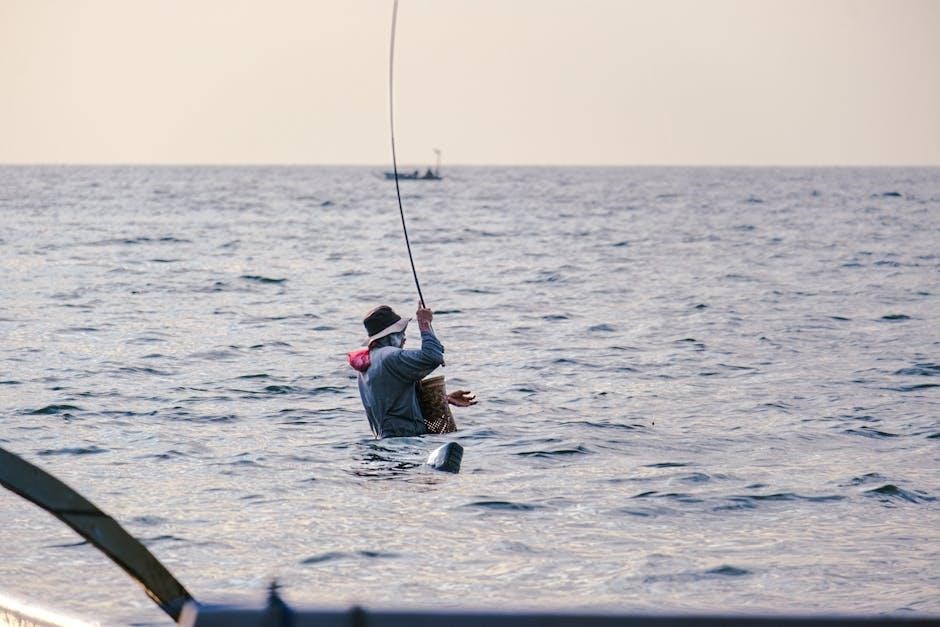
Inshore Fishing Tactics (Flats, Bays, Estuaries)
Inshore fishing demands a stealthy approach and understanding of tidal influences․ Flats fishing requires careful boat positioning and quiet presentation, often utilizing poling skiffs․ Sight fishing for redfish and trout is popular, spotting fish on the shallow flats․ Bays and estuaries offer diverse structure – grass beds, oyster reefs, and mangrove shorelines – attracting various species․
Effective tactics include casting soft plastics, topwater lures, and live shrimp․ Matching the hatch – using lures resembling local forage – increases success․ Pay attention to current seams and changes in bottom composition․ Utilizing a popping cork rig can attract attention and trigger strikes․ Light tackle is preferred for inshore species, enhancing the fight and enjoyment․
Offshore Fishing Approaches (Trolling, Jigging, Bottom Fishing)
Venturing offshore opens opportunities for larger pelagic species, requiring robust techniques․ Trolling involves dragging lures or bait behind the boat at varying speeds, targeting tuna, marlin, and wahoo․ Spreader bars and daisy chains create enticing presentations․ Jigging utilizes heavy metal lures dropped to specific depths, attracting fish with vertical motion – effective for grouper and amberjack․
Bottom fishing focuses on structure like reefs and wrecks․ Utilizing heavy weights and strong tackle is crucial to maintain contact with the seabed․ Baits like squid, cut bait, and live fish attract bottom dwellers․ Electric reels aid in retrieving from significant depths․ Understanding currents and sea conditions is paramount for safe and productive offshore excursions․
Specific Species Targeting
Successful saltwater fishing often hinges on tailoring strategies to specific species․ Striped bass, prized for their fight, respond well to live eels, bunker, and artificial lures cast near structure or along migratory routes․ Fluke (Summer Flounder) fishing often evokes fond memories, requiring patience and precise presentation of bait or jigs near the seabed in bays and inlets․
Understanding a species’ behavior and habitat is key․ Researching feeding habits, seasonal movements, and preferred depths dramatically increases your chances․ Adapting lure color, size, and retrieval speed to match prevailing conditions is vital․ Targeting specific species demands specialized knowledge and a willingness to refine techniques based on observation and experience․
Striped Bass Fishing Techniques
Despite perceptions, striped bass aren’t exceptionally difficult to catch․ Effective techniques involve targeting areas where they ambush prey – inlets, points, and around structure․ Live bait, such as eels and bunker, consistently produce results, while artificial lures like swimbaits, plugs, and jigs offer versatility․
Presentation is crucial․ Slow retrieves mimicking injured baitfish often trigger strikes․ Casting along shorelines during dawn or dusk, when bass are actively feeding, increases success․ Understanding tidal movements and current seams helps locate fish concentrations․ Don’t be discouraged; persistence and adapting to conditions are key to consistently landing these powerful predators․
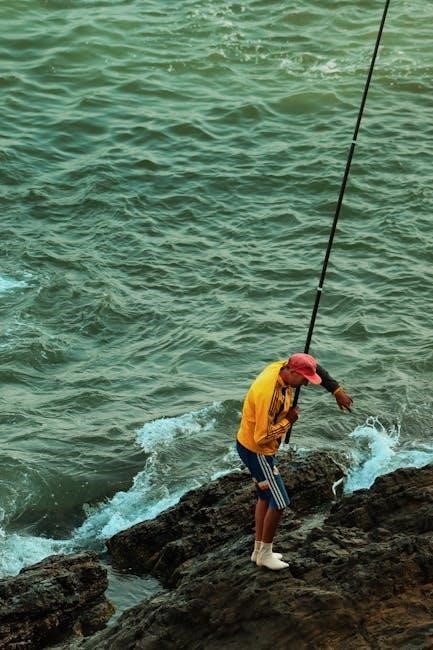
Fluke (Summer Flounder) Fishing
Fluke fishing evokes cherished memories for many anglers․ These flatfish lie camouflaged on the bottom, ambushing unsuspecting prey․ Successful fluke fishing relies on presenting bait or lures directly in their face․ Popular techniques include drifting live minnows or fluke belly strips along sandy or muddy bottoms․
Bucktail jigs tipped with bait are incredibly effective․ Slowly bouncing the jig along the seafloor entices strikes․ Utilizing a teaser ahead of the jig can further increase your chances․ Understanding bottom contours and targeting areas with structure, like channels and drop-offs, is vital․ Patience and a sensitive touch are essential for detecting the subtle bites of these masters of disguise․
Advanced Techniques & Considerations
Beyond the basics, saltwater fishing offers a realm of specialized approaches․ Dock fishing, often overlooked in Florida, presents unique challenges and rewards․ Techniques like flipping and pitching lures into tight spaces around boat slips can yield impressive results, targeting species hiding in the shadows․
Saltwater fly fishing demands precision and adaptability․ Specialized fast-action fly rods and reels are crucial for handling saltwater conditions and powerful fish․ Mastering casting techniques for wind resistance and presenting flies effectively are key skills․ Continuously analyzing conditions – tide, current, and light – allows anglers to refine their strategies and maximize success in this rewarding discipline․
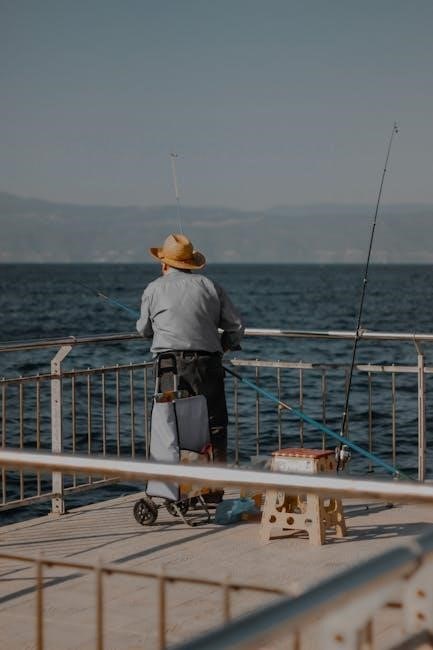
Dock Fishing (Flipping & Pitching)
Dock fishing, particularly flipping and pitching, is a highly effective yet often underestimated saltwater technique․ It excels in areas like marinas and around boat slips where fish seek shelter․ Flipping involves a short, underhand cast to place the lure silently and accurately into tight spots, while pitching utilizes a slightly longer, pendulum-like swing․

Success hinges on lure presentation and target selection․ Soft plastics, jigs, and small swimbaits are ideal choices․ Focus on pilings, shadows, and areas with structure․ Patience and precision are paramount, as these techniques require accurate casts to entice wary fish․ Mastering these methods unlocks access to productive fishing grounds often overlooked by conventional approaches․
Saltwater Fly Fishing Gear & Techniques
Venturing into saltwater fly fishing opens a realm of exciting possibilities․ Specialized gear is crucial; fast-action fly rods are preferred for cutting through wind and delivering heavier flies․ Durable reels with robust drag systems are essential to handle powerful saltwater species․ Saltwater fly lines differ from freshwater lines, designed for longer casts and floating better in choppy conditions․
Techniques involve stripping retrieves and presenting flies with precision․ Common saltwater flies mimic baitfish, crabs, or shrimp․ Mastering the double haul casting technique significantly improves distance and efficiency․ Targeting species like striped bass, redfish, and bonefish requires adapting techniques to their specific behaviors and habitats․ Embrace the challenge and enjoy the unique artistry of saltwater fly fishing!
Safety Precautions for Saltwater Fishing
Prioritizing safety is paramount when enjoying saltwater fishing adventures․ Always check the weather forecast before heading out and be prepared for sudden changes․ Wear a properly fitted life jacket, especially when fishing from boats, kayaks, or wading in deeper waters․ Sun protection is vital – use sunscreen, hats, and sunglasses to prevent sunburn and eye strain․
Be aware of your surroundings and potential hazards․ Watch for boat traffic, currents, and slippery surfaces․ Carry a first-aid kit and know how to use it․ Inform someone of your fishing plans and expected return time․ Handle fish with care, being mindful of spines and teeth․ Respect marine life and avoid disturbing sensitive ecosystems․ Staying vigilant ensures a safe and enjoyable fishing experience․
Regulations and Licensing
Navigating saltwater fishing regulations is crucial for responsible angling․ Requirements vary significantly by state and even within different regions․ Before casting a line, thoroughly research the specific rules for your fishing location․ This includes size and bag limits for targeted species, seasonal closures, and gear restrictions․
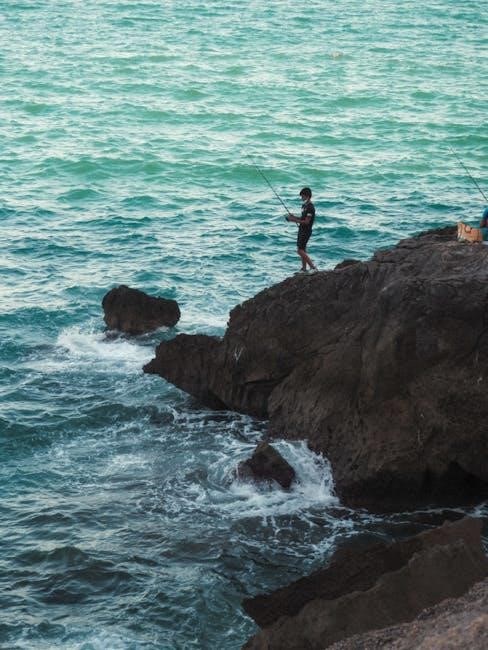
Obtaining the necessary licenses is legally mandated․ Most states require both a saltwater fishing license and potentially additional permits for specific activities, like harvesting certain species or fishing from piers․ Failure to comply can result in fines and penalties․ Resources like state fish and wildlife agencies’ websites provide detailed information on regulations and licensing procedures․ Responsible anglers prioritize compliance to conserve marine resources․
Finding a Reputable Saltwater Fishing Guide
Engaging a skilled saltwater fishing guide can dramatically enhance your experience․ A good guide possesses extensive local knowledge, including prime fishing spots, effective techniques, and current conditions․ They also ensure safety and compliance with regulations․
Thorough research is essential when selecting a guide․ Look for guides with proper licensing, insurance, and positive customer reviews․ Check their experience with your desired species and fishing style․ Don’t hesitate to ask about their boat’s safety equipment and their commitment to responsible fishing practices․ A reputable guide will prioritize your enjoyment and a sustainable fishing experience, offering invaluable insights and maximizing your chances of success on the water․